Nutrition
Why This Tiny Purple Berry Could Strengthen Your Immune System and Heart

Health Points
- Black currants contain four times more vitamin C than oranges, supporting immune health and collagen production
- Their anthocyanin compounds may improve cardiovascular function and reduce inflammation throughout the body
- The berries provide essential omega-3 and omega-6 fatty acids that support brain and eye health
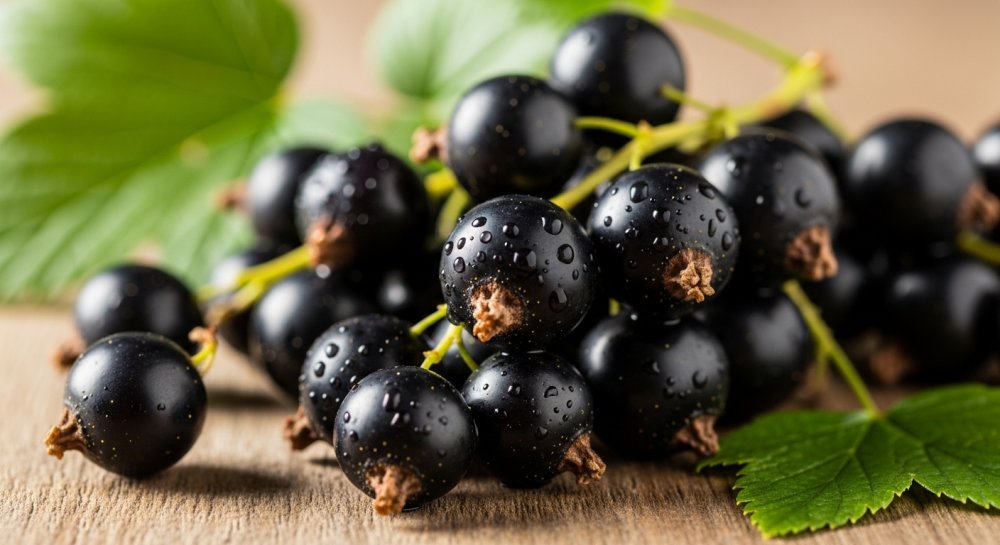
For decades, American gardeners couldn’t legally grow black currants due to federal restrictions, but these tart purple berries are making a comeback—and health experts say they’re worth seeking out. Native to Europe and Asia, black currants pack a nutritional punch that rivals more familiar superfoods.
The small, deep purple berries grow in clusters on deciduous shrubs and have been used in traditional European medicine for centuries. Today, modern research is confirming what folk healers long suspected about their health benefits.
Exceptional Vitamin C Content
Black currants stand out for their remarkable vitamin C levels. A half-cup serving delivers approximately 102 milligrams of this essential nutrient—more than the daily recommended intake for most adults. By comparison, the same amount of oranges provides just 25 milligrams.
Vitamin C plays crucial roles throughout the body, from supporting immune function to enabling collagen production for healthy skin and joints. The nutrient also acts as a powerful antioxidant, protecting cells from damage caused by free radicals.
“The vitamin C in black currants is particularly bioavailable, meaning your body can efficiently absorb and use it,” notes nutrition research. For adults over 40 concerned about maintaining skin elasticity and immune resilience, this concentrated source offers significant advantages.
Cardiovascular and Anti-Inflammatory Properties
The deep purple hue of black currants signals high concentrations of anthocyanins, plant compounds linked to heart health. Studies suggest these antioxidants may help improve blood flow, reduce arterial stiffness, and support healthy blood pressure levels.
Research has shown that regular consumption of anthocyanin-rich foods correlates with reduced inflammation markers in the body. Chronic inflammation contributes to numerous age-related conditions, from arthritis to cardiovascular disease, making anti-inflammatory foods particularly valuable for midlife health.
The berries also contain gamma-linolenic acid (GLA), an omega-6 fatty acid with anti-inflammatory effects. GLA is relatively rare in food sources, making black currants a unique dietary option for those seeking natural inflammation management.
Brain and Vision Support
Black currants provide omega-3 fatty acids, essential fats that support cognitive function and eye health. These nutrients become increasingly important with age, as they help maintain brain cell membranes and support retinal function.
The combination of antioxidants and omega fatty acids may offer protective benefits against age-related cognitive decline. While more research is needed, preliminary studies suggest anthocyanins can cross the blood-brain barrier and exert neuroprotective effects.
For vision health, the anthocyanins in black currants may support nighttime visual acuity and reduce eye fatigue. Some research indicates these compounds could help protect against age-related macular degeneration, though larger studies are still needed.
Nutritional Profile
A half-cup serving of fresh black currants contains approximately 36 calories, 9 grams of carbohydrates, and nearly 5 grams of fiber. The berries are virtually fat-free and provide small amounts of protein.
Beyond vitamin C, they offer potassium, manganese, and iron in modest amounts. The fiber content supports digestive health and helps regulate blood sugar levels, making them a smart choice for balanced snacking.
Potential Considerations
While black currants offer impressive health benefits, some individuals should exercise caution. Their high vitamin C content could theoretically interfere with certain medications, particularly blood thinners.
The GLA content, while generally beneficial, may affect blood clotting. Anyone taking anticoagulant medications should consult their healthcare provider before adding black currants to their regular diet.
Some people may experience mild digestive discomfort when first introducing the berries, particularly in larger quantities. Starting with small portions allows your system to adjust to the increased fiber intake.
Incorporating Black Currants Into Your Diet
Fresh black currants can be challenging to find in American markets, but frozen options are increasingly available. The berries maintain their nutritional value when frozen, making them a practical year-round option.
Black currant preserves, juices, and supplements are more widely available, though whole berries provide the benefit of fiber. When choosing processed products, check labels for added sugars that can diminish the health advantages.
The tart flavor pairs well with sweeter fruits in smoothies, works beautifully in baked goods, and makes an excellent addition to yogurt or oatmeal. Their bold taste also complements savory dishes, particularly game meats and rich cheeses.
As interest in traditional and functional foods continues growing, black currants represent a return to time-tested nutrition with modern scientific backing. For health-conscious adults seeking to diversify their antioxidant sources and support overall wellness, these small purple berries deserve consideration.
