Nutrition
The Surprising Way a Daily Bean Habit Transforms Your Body After 40

Health Points
- Regular bean consumption significantly improves digestive health by feeding beneficial gut bacteria and promoting regularity
- Beans help stabilize blood sugar levels and may reduce type 2 diabetes risk by up to 35% in older adults
- Just half a cup of beans daily can lower LDL cholesterol and reduce heart disease risk factors
For decades, beans have been dismissed as a humble pantry staple, but emerging research reveals they may be one of the most powerful foods for protecting health as we age. Scientists are discovering that this affordable, versatile legume delivers benefits that extend far beyond basic nutrition.
The transformation begins in your digestive system. Beans are packed with both soluble and insoluble fiber, creating an ideal environment for beneficial gut bacteria to thrive. This isn’t just about comfort—a healthy gut microbiome influences everything from immune function to mental clarity.
“Beans are essentially a prebiotic powerhouse,” explains Dr. Sarah Mitchell, a gastroenterologist at Johns Hopkins Medicine. “They feed the good bacteria in your gut, which in turn produce compounds that strengthen your intestinal lining and reduce inflammation throughout your body.”
The fiber content also addresses a concern many people over 40 face: irregular digestion. Just one cup of black beans contains 15 grams of fiber—more than half the daily recommended amount. This natural bulk helps maintain digestive regularity without the need for supplements or medications.
But the benefits extend well beyond the gut. Researchers have found that beans have a remarkable effect on blood sugar control, a critical factor as metabolism naturally slows with age.
A landmark study published in the Archives of Internal Medicine followed over 64,000 women for eight years. Those who consumed beans or lentils at least twice weekly had a 24% lower risk of developing type 2 diabetes compared to those who rarely ate legumes. For participants over 50, the protective effect was even more pronounced.
“The fiber and resistant starch in beans slow down carbohydrate absorption,” says nutritionist Dr. Michael Chen, author of ‘The Longevity Diet.’ “This means your blood sugar rises gradually rather than spiking, which puts less stress on your pancreas and helps prevent insulin resistance.”
The blood sugar benefits are complemented by beans’ impressive protein content. Unlike animal proteins that often come packaged with saturated fat, beans deliver 15 grams of protein per cup while remaining virtually fat-free. This combination helps maintain stable energy levels throughout the day—no mid-afternoon crashes.
Perhaps most compelling are the cardiovascular benefits that accumulate with regular bean consumption. Heart disease remains the leading cause of death for Americans over 40, making prevention strategies essential.
A comprehensive review of 26 clinical trials found that eating approximately three-quarters of a cup of beans daily reduced LDL cholesterol—the “bad” cholesterol—by 5%. While that may sound modest, researchers note that every 1% reduction in LDL cholesterol translates to a 2-3% decrease in heart disease risk.
The mechanism involves both soluble fiber, which binds to cholesterol in the digestive tract, and plant compounds called saponins that prevent cholesterol absorption. Beans also contain potassium and magnesium, minerals that help regulate blood pressure—another key factor in heart health.
“What makes beans particularly valuable is that they address multiple cardiovascular risk factors simultaneously,” notes Dr. Lisa Rodriguez, a cardiologist at the Cleveland Clinic. “They’re helping with cholesterol, blood pressure, inflammation, and weight management all at once.”
Weight management deserves special attention. The combination of fiber and protein in beans creates exceptional satiety—you feel fuller longer after eating them. Studies show that people who regularly eat beans tend to weigh less and have smaller waist circumferences than those who don’t, even when consuming similar calorie amounts.
This is particularly relevant for those over 40, when maintaining a healthy weight becomes more challenging due to metabolic changes. The slow-digesting nature of beans means they provide sustained energy without the blood sugar roller coaster that drives cravings and overeating.
Concerns about digestive discomfort from beans are common but largely preventable. Starting with smaller portions and gradually increasing intake allows your digestive system to adapt. Rinsing canned beans thoroughly removes much of the gas-producing compounds, and cooking dried beans with a piece of kombu seaweed can have similar effects.
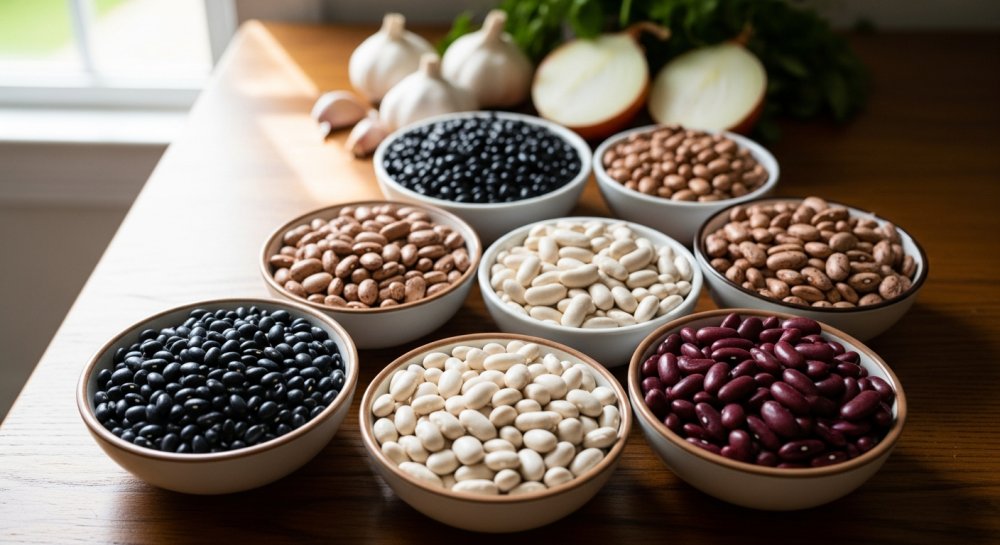
The variety of beans available means you can easily incorporate them into familiar dishes. Black beans in tacos, white beans in soups, chickpeas roasted as snacks, or lentils in stews—each type offers similar nutritional benefits with different flavors and textures.
For those concerned about sodium in canned beans, low-sodium or no-salt-added varieties are widely available. Dried beans, while requiring more preparation time, contain no added sodium and cost significantly less—often under a dollar per pound.
The cumulative research suggests that beans deserve a central place in a health-conscious diet, particularly as we age. They address three of the most significant health challenges facing Americans over 40: digestive issues, blood sugar dysregulation, and cardiovascular disease. Few foods deliver such comprehensive benefits in such an affordable, accessible package.
Starting with just a half cup of beans three to four times weekly can begin the transformation. As your body adapts, increasing to a cup daily maximizes the protective effects. Whether you’re concerned about maintaining digestive health, preventing diabetes, or protecting your heart, this humble legume offers a simple, evidence-based strategy for healthier aging.
