Nutrition
Nine Everyday Foods That Deliver More Fiber Than You’d Expect

Health Points
- Several common foods contain more fiber per serving than a medium pear, which provides 6 grams
- High-fiber foods support digestive health, blood sugar control, and heart health in adults over 40
- Most Americans consume only half the recommended daily fiber intake of 25-38 grams
When thinking about fiber-rich foods, pears often come to mind as a go-to choice. But nutritionists point out that several other foods surpass the popular fruit’s fiber content, offering even greater digestive and metabolic benefits.
A medium pear delivers about 6 grams of fiber, making it a solid choice for meeting daily nutritional needs. However, other whole foods contain significantly more fiber per serving, and many are already staples in American kitchens.
Fiber plays a crucial role in maintaining health, particularly for adults over 40. It supports regular digestion, helps control blood sugar levels, and contributes to heart health by managing cholesterol. Despite these benefits, most Americans fall short of recommended intake levels.
Adult women should aim for 25 grams of fiber daily, while men need about 38 grams. Yet average consumption hovers around just 15 grams per day—barely half of what health experts recommend.
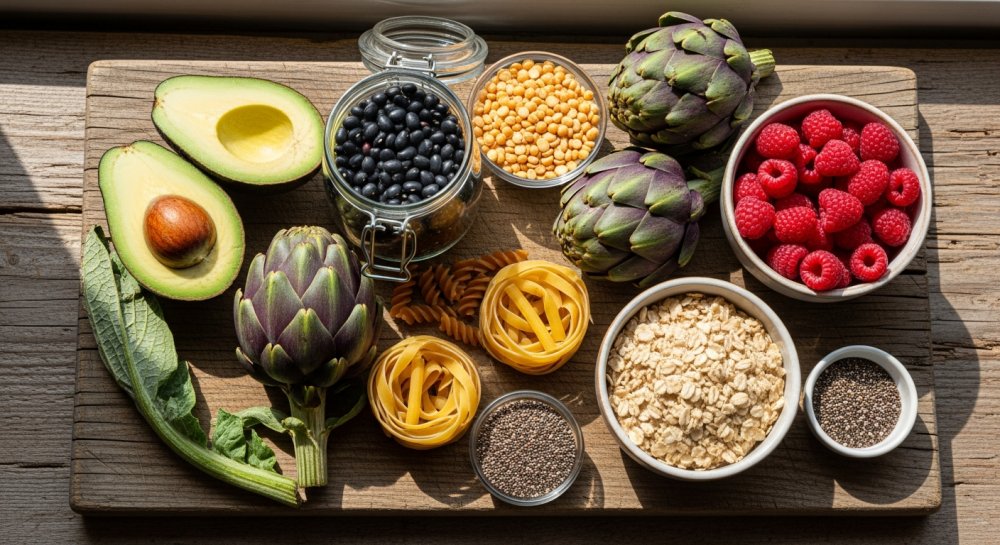
Avocados top the list with an impressive 10 grams of fiber in just one cup of cubed fruit. This creamy addition to salads and sandwiches provides nearly double the fiber found in a pear.
Split peas deliver a substantial 16 grams of fiber per cooked cup. These legumes make an excellent base for hearty soups and stews, especially during cooler months.
Black beans offer 15 grams of fiber per cooked cup, making them a powerhouse addition to any meal. They work well in both traditional dishes and as a protein-rich side.
Lentils provide 15.6 grams of fiber per cooked cup and cook faster than most other legumes. Their mild flavor makes them versatile for various recipes, from Indian dal to American-style casseroles.
Artichokes contain 10.3 grams of fiber per medium-sized vegetable. Whether steamed, roasted, or grilled, they offer a substantial fiber boost with their unique flavor.
Raspberries pack 8 grams of fiber into just one cup of berries. These antioxidant-rich fruits make an easy addition to breakfast or snacks.
Whole wheat pasta delivers 6.3 grams of fiber per cooked cup, slightly edging out a pear while providing a familiar comfort food option. The switch from regular pasta is simple but meaningful for fiber intake.
Oatmeal contains 8 grams of fiber per cooked cup when prepared with water. This breakfast staple supports morning energy while contributing to digestive health.
Chia seeds offer 10 grams of fiber in just two tablespoons. These tiny seeds expand when mixed with liquid, creating a gel-like texture that works well in puddings and smoothies.
Incorporating these foods into regular meal planning doesn’t require dramatic dietary changes. Simple swaps—choosing whole wheat pasta over refined versions, adding beans to soups, or topping yogurt with raspberries and chia seeds—can significantly increase daily fiber intake.
For those looking to increase fiber consumption, gradual incorporation is key. Adding too much fiber too quickly can cause temporary digestive discomfort. Increasing water intake alongside fiber helps the digestive system adjust.
The benefits extend beyond digestion. Higher fiber intake has been associated with improved weight management, as fiber-rich foods tend to be more filling. This can support healthy eating patterns without requiring restrictive dieting.
For adults navigating health concerns common after 40—such as cholesterol management and blood sugar control—these fiber-rich options offer practical, food-based support. They represent a return to traditional, whole-food eating patterns that served previous generations well.
While pears remain a nutritious choice, expanding the variety of high-fiber foods creates more opportunities to meet daily nutritional needs. The options listed provide diverse flavors and textures, making it easier to maintain consistent fiber intake without dietary monotony.
