Nutrition
Understanding Groin Discomfort and Practical Steps for Daily Relief

Health Points
- Common causes of groin discomfort range from muscle strain to underlying joint conditions.
- Simple daily movements and posture adjustments can reduce strain on the area.
- Gradual, guided activity combined with proper rest supports long-term comfort.
Many adults experience groin discomfort at some point, often after routine activities such as lifting, quick turns, or prolonged sitting. Understanding the source helps determine the best path forward.
Posture and movement patterns play a significant role. Standing tall, keeping feet shoulder-width apart, and avoiding sudden twists can lessen stress on the groin muscles.
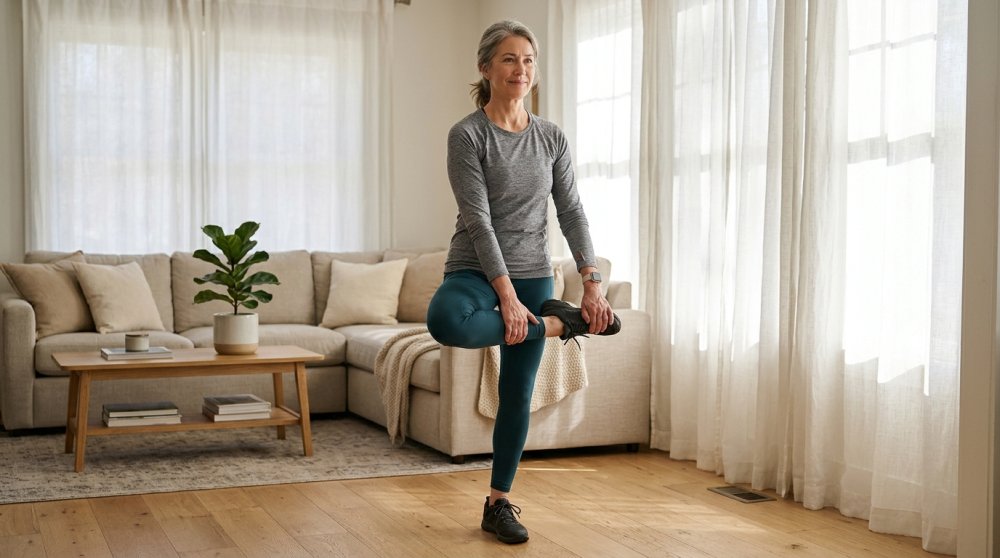
Stretching routines performed at the right time of day also help. Gentle hip-opening moves, held for 20 to 30 seconds, can improve flexibility without overextending.
“Listen to your body and progress slowly,” advises physical therapist Karen Ellis. “Pushing through sharp pain often delays recovery.”
Supportive footwear makes a difference too. Shoes with good arch support reduce the load transferred to the hips and pelvis during walking.
Heat before activity and cold afterward is a simple, effective routine many people adopt. Ten minutes of warmth loosens tissues, while brief cooling afterward can ease inflammation.
Rest days are equally important. Giving muscles time to repair helps prevent recurring discomfort, especially for those returning to exercise after a break.
“Consistency matters more than intensity,” says Ellis. “Small, regular efforts protect the area better than occasional hard workouts.”
If discomfort persists beyond two weeks, worsens, or limits daily tasks, a medical evaluation can identify issues that need targeted care. Early attention often leads to simpler solutions.
