Health
What Scientists Now Say About Colostrum Supplements for Adults

Health Points
- Colostrum, the first milk produced after birth, contains immune-boosting antibodies and growth factors that some adults now take as supplements
- Research suggests bovine colostrum may support gut health and immunity, though most studies remain small-scale
- Health experts recommend consulting a physician before adding colostrum supplements to your wellness routine
A nutrient-rich substance once reserved for newborns is gaining attention among health-conscious adults seeking natural ways to support their immune systems. Colostrum supplements, derived from the first milk cows produce after giving birth, have entered mainstream wellness conversations as people over 40 look for science-backed approaches to aging well.
Colostrum differs significantly from regular milk in both composition and purpose. This yellowish fluid contains concentrated levels of antibodies, proteins, and growth factors designed to protect and nourish newborns during their first vulnerable days of life.
Dr. Sarah Mitchell, an integrative medicine physician practicing in Chicago, explains the biological foundation behind the trend.
“Colostrum is nature’s first food, packed with immunoglobulins and bioactive compounds that support immune function and tissue repair. While human infants benefit most from human colostrum, bovine colostrum shares many similar protective properties.”
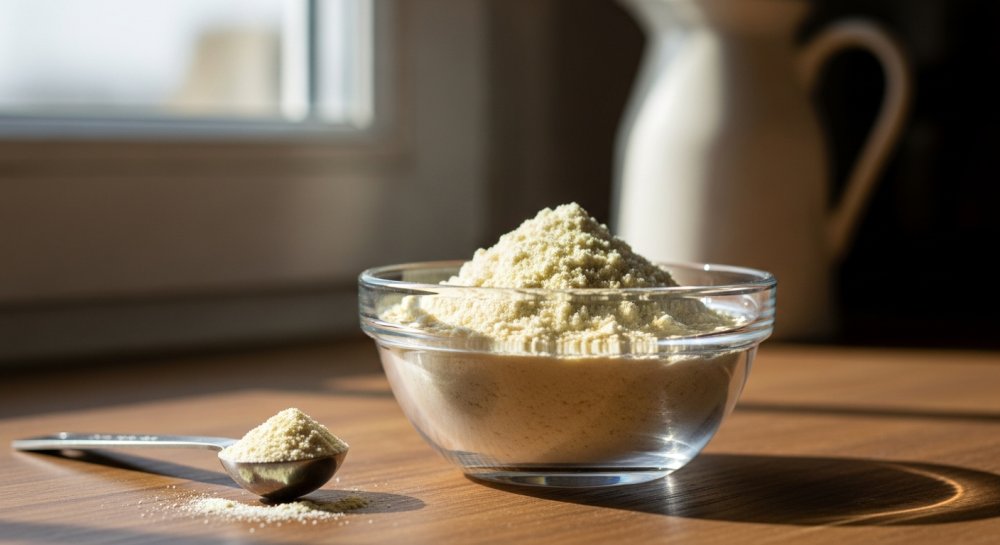
The supplement industry has capitalized on these properties, marketing bovine colostrum powder and capsules to adults hoping to strengthen their gut lining and bolster their natural defenses. Research into these claims remains ongoing, with some promising but limited findings.
A review published in the Journal of Clinical Immunology examined multiple studies on bovine colostrum supplementation in adults. Researchers found evidence suggesting potential benefits for intestinal health, particularly in athletes experiencing exercise-induced gut permeability.
The immune-supporting properties of colostrum stem primarily from its high concentration of immunoglobulin G, or IgG antibodies. These proteins help identify and neutralize harmful bacteria and viruses. Colostrum also contains lactoferrin, a protein with antimicrobial and anti-inflammatory properties.
For individuals over 40, maintaining gut health becomes increasingly important as digestive function naturally declines with age. The intestinal lining, which acts as a barrier between the bloodstream and the outside world, can become more permeable over time—a condition some practitioners call “leaky gut.”
Dr. James Peterson, a gastroenterologist at a major research hospital, offers perspective on the current evidence.
“We’re seeing preliminary data that bovine colostrum may help strengthen the intestinal barrier and support beneficial gut bacteria. However, we need larger, longer-term studies before making definitive recommendations for specific health conditions.”
Beyond gut health, some researchers have investigated colostrum’s potential role in supporting exercise recovery and muscle maintenance—concerns that become more pressing as people age and naturally lose muscle mass. One study involving older adults found that colostrum supplementation combined with resistance training showed promise for improving body composition.
The growth factors present in colostrum, particularly insulin-like growth factor 1 (IGF-1), may contribute to these effects. These compounds support cellular growth and repair throughout the body, though their effects in supplement form require further investigation.
Quality and sourcing present important considerations for anyone considering colostrum supplements. Products vary widely in their processing methods, which can affect the bioavailability of beneficial compounds. Cold-processing techniques generally preserve more of colostrum’s delicate proteins and antibodies compared to heat-treated versions.
Nutritionist Karen Williams, who works with clients seeking natural wellness solutions, emphasizes the importance of informed choices.
“Not all colostrum supplements are created equal. Look for products from grass-fed cows, processed without excessive heat, and tested by third-party laboratories for purity and potency. These factors significantly impact what you’re actually getting.”
Potential users should also consider that colostrum supplements aren’t appropriate for everyone. People with dairy allergies or lactose intolerance may experience adverse reactions, though many colostrum products contain minimal lactose. Individuals with compromised immune systems or those taking immunosuppressive medications should consult their healthcare provider before use.
Typical dosing recommendations range from one to two grams daily, though optimal amounts haven’t been firmly established through research. Some practitioners suggest starting with lower doses and gradually increasing based on individual tolerance and response.
The cost of colostrum supplements varies considerably, with monthly supplies ranging from $30 to over $100 depending on quality and brand. This investment requires weighing potential benefits against proven alternatives for immune and gut health, including a balanced diet rich in fiber, fermented foods, and whole foods.
Dr. Mitchell cautions against viewing supplements as replacements for fundamental health practices.
“While colostrum shows promise, it’s not a magic bullet. Good sleep, stress management, regular physical activity, and a nutrient-dense diet remain the foundation of healthy aging. Supplements should complement, not substitute, these essentials.”
The regulatory landscape surrounding colostrum supplements also warrants attention. The FDA classifies colostrum as a dietary supplement rather than a medication, meaning manufacturers don’t need to prove efficacy before marketing. This places responsibility on consumers to research products carefully and choose reputable brands.
Current research continues to explore specific applications where colostrum supplementation might offer the most benefit. Studies examining its effects on respiratory health, particularly during cold and flu season, have yielded mixed but intriguing results. Some trials found reduced incidence of upper respiratory infections among colostrum users, while others showed no significant difference.
For adults navigating the complex landscape of wellness products, colostrum represents one of many options emerging from traditional practices and animal biology. The substance that has nourished mammals for millennia may indeed offer benefits beyond infancy, though the scientific community continues working to define exactly what those benefits are and for whom they’re most relevant.
As with any supplement decision, personalized medical advice trumps general recommendations. Individual health status, existing conditions, medications, and specific wellness goals all factor into whether colostrum supplementation makes sense. What works for an athletic 45-year-old may differ from what benefits a sedentary 65-year-old managing chronic conditions.
The growing interest in colostrum reflects broader trends toward natural, ancestral approaches to health—a movement particularly resonant among people seeking alternatives to pharmaceutical interventions. Whether this ancient substance will prove its worth through rigorous modern science remains to be seen, but current evidence suggests it deserves continued investigation rather than dismissal or uncritical embrace.
