Nutrition
The Ancient Superfood Making a Comeback in Your Water Glass

Health Points
- Chia seeds provide omega-3 fatty acids, fiber, and essential minerals that support heart health and digestive function
- Drinking chia water may help stabilize blood sugar levels and promote feelings of fullness for weight management
- The gel-like coating that forms around chia seeds in water can aid hydration and provide sustained energy throughout the day
A simple beverage is gaining attention among health-conscious Americans seeking natural ways to boost their wellness routine. Chia seed water, made by soaking these tiny black seeds in liquid, has emerged as a surprisingly effective addition to a balanced lifestyle.
The practice of consuming chia seeds dates back centuries to Aztec and Mayan civilizations, who valued them as a source of sustained energy. Today’s health enthusiasts are rediscovering what ancient cultures knew all along — these small seeds pack a remarkable nutritional punch.
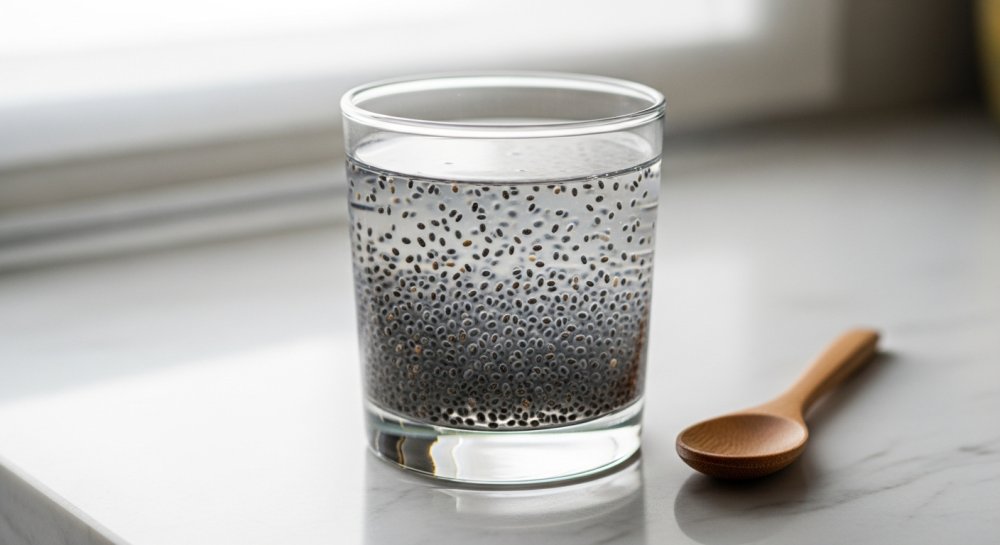
When chia seeds meet water, they undergo a fascinating transformation. Within minutes, each seed develops a gel-like coating as it absorbs liquid, expanding up to twelve times its original size. This process creates a unique beverage that offers multiple health advantages.
The nutritional profile of chia seeds is impressive. Just one ounce contains nearly 11 grams of fiber, about 40% of the recommended daily intake. They’re also rich in omega-3 fatty acids, the same heart-healthy fats found in salmon and other fish. Additionally, chia seeds provide calcium, magnesium, and phosphorus — minerals essential for bone health.
For those managing their weight, chia water offers a natural advantage. The fiber content promotes feelings of fullness, potentially reducing overall calorie intake throughout the day. The seeds’ ability to absorb liquid and expand in the stomach creates a satisfying sensation that may help curb unnecessary snacking.
Blood sugar management represents another compelling benefit. The combination of fiber and protein in chia seeds can help slow the absorption of sugar into the bloodstream. This steadier release of glucose means fewer energy spikes and crashes, a particular concern for individuals monitoring their blood sugar levels.
Digestive health receives a boost from the soluble and insoluble fiber in chia seeds. Soluble fiber feeds beneficial gut bacteria, while insoluble fiber promotes regular bowel movements. This dual-action support helps maintain a healthy digestive system, something many Americans struggle to achieve through diet alone.
The omega-3 content in chia seeds supports cardiovascular health. These essential fatty acids may help reduce inflammation, lower blood pressure, and improve cholesterol levels. For those who don’t regularly consume fatty fish, chia water provides an accessible plant-based alternative.
Hydration gets an upgrade when chia seeds enter the equation. The gel coating that forms around the seeds helps the body retain fluid more effectively. Athletes and active individuals have taken notice, using chia water as a natural way to maintain hydration during extended physical activity.
Making chia water requires minimal effort. The basic recipe calls for mixing one to two tablespoons of chia seeds with two cups of water. After stirring thoroughly to prevent clumping, let the mixture sit for at least 15 minutes, though overnight refrigeration yields the best gel consistency.
Flavor customization makes the beverage more enjoyable for daily consumption. Fresh lemon or lime juice adds a citrus tang while providing vitamin C. A touch of honey offers natural sweetness without refined sugar. Fresh mint leaves or sliced cucumber create a refreshing twist perfect for warm weather.
Some health enthusiasts add chia seeds directly to their morning smoothies or yogurt, achieving similar benefits without the standalone beverage. Others prefer mixing them into homemade salad dressings or overnight oats, demonstrating the seeds’ versatility in everyday cooking.
Timing matters when incorporating chia water into your routine. Many people find drinking it first thing in the morning jump-starts their digestive system and provides steady energy. Others prefer consuming it before meals to support portion control and reduce overeating.
A word of caution: start slowly with chia seeds. Introducing too much fiber too quickly can cause digestive discomfort. Begin with one tablespoon daily and gradually increase as your body adjusts. Drinking plenty of additional water throughout the day remains important, as the seeds continue absorbing liquid in your digestive tract.
Quality matters when selecting chia seeds. Look for organic varieties when possible, and store them in an airtight container in a cool, dry place. Properly stored chia seeds can last for years without losing their nutritional value, making them an economical pantry staple.
The environmental footprint of chia seeds deserves mention. These plants require relatively little water to grow compared to many crops, and they thrive without pesticides. Supporting sustainable food choices aligns with traditional values of stewardship and responsible resource management.
While chia water offers numerous potential benefits, it works best as part of an overall healthy lifestyle. No single food or beverage can compensate for poor dietary choices or lack of exercise. The greatest results come from combining chia water with balanced meals, regular physical activity, and adequate sleep.
For individuals taking blood thinning medications, consulting with a healthcare provider before adding chia seeds to your diet is wise. The omega-3 content may interact with certain medications. Pregnant women and those with specific health conditions should also seek professional guidance.
The growing popularity of chia water reflects a broader trend toward natural, whole-food approaches to health. Rather than relying on processed supplements or complicated regimens, more Americans are turning to simple, time-tested solutions that their ancestors would recognize and approve.
