Nutrition
Bagels May Fit Into Your Healthy Eating Plan After All

Health Points
- Bagels can be part of a nutritious diet when you choose whole grain varieties and practice portion control
- Traditional white bagels contain minimal fiber and protein, leading to rapid blood sugar spikes
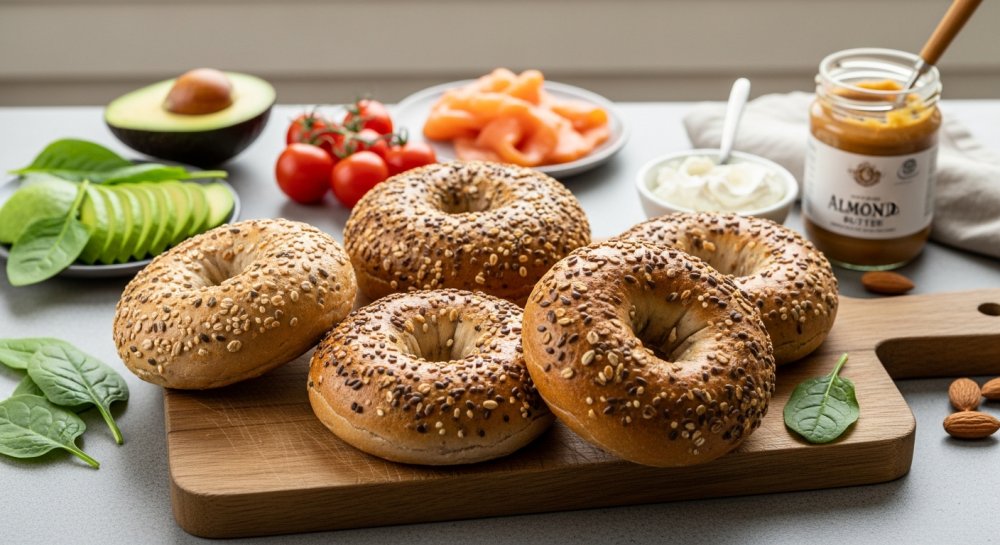
- Smart toppings like nut butters, eggs, and vegetables transform bagels into balanced, satisfying meals
Bagels have earned a questionable reputation among health-conscious eaters, often dismissed as nutritionally empty carbohydrates. Yet registered dietitians say these beloved breakfast staples don’t deserve their bad rap when consumed thoughtfully.
The key lies in understanding what makes some bagels healthier than others. Traditional white flour bagels offer little nutritional benefit beyond quick energy, but whole grain alternatives provide essential fiber, vitamins, and minerals that support long-term wellness.
“Bagels are not inherently unhealthy,” explains registered dietitian nutritionist Sarah Williams. “The issue is that many commercially available bagels are made with refined flour, are oversized, and lack the fiber and protein needed to keep you satisfied.”
A typical grocery store bagel contains 250-350 calories and 50-60 grams of carbohydrates—roughly equivalent to four slices of bread. When made with refined white flour, these carbohydrates convert rapidly to sugar in your bloodstream, triggering insulin spikes followed by energy crashes. This rollercoaster effect leaves you hungry again within hours.
The solution isn’t eliminating bagels entirely but making smarter choices. Whole wheat, multigrain, or sprouted grain bagels contain significantly more fiber, which slows digestion and promotes steady blood sugar levels. Fiber also supports digestive health and helps maintain healthy cholesterol levels—important considerations for adults over 40.
“Look for bagels listing whole grain flour as the first ingredient and providing at least 3-5 grams of fiber per serving,” recommends registered dietitian Michael Chen. “This makes a substantial difference in how your body processes the carbohydrates.”
Portion awareness matters tremendously. Many bagel shop varieties clock in at 4-6 ounces—double the standard serving size. Consider eating half a bagel with protein-rich toppings for breakfast, saving the other half for later. This approach delivers satisfying flavor while keeping calories and carbs in check.
What you put on your bagel transforms it nutritionally. Cream cheese alone adds fat and calories without much nutritional value. Instead, registered dietitians suggest building balanced toppings that incorporate protein, healthy fats, and vegetables.
Excellent protein choices include scrambled eggs, smoked salmon, turkey breast, or Greek yogurt-based spreads. Nut butters provide both protein and heart-healthy unsaturated fats that increase satiety. Adding sliced tomatoes, cucumbers, spinach, or avocado boosts vitamin content while adding minimal calories.
“When my clients pair a whole grain bagel with eggs and vegetables, they’ve created a genuinely nutritious breakfast that provides sustained energy,” notes Williams. “The combination of complex carbohydrates, protein, fiber, and healthy fats checks all the boxes for a balanced meal.”
For people managing diabetes or prediabetes, bagel choices require extra consideration. The high carbohydrate content can challenge blood sugar control, particularly when consumed alone. Pairing bagels with protein and fat slows carbohydrate absorption, minimizing glucose spikes. Monitoring portion sizes becomes especially important for maintaining stable blood sugar throughout the day.
Recent nutritional research emphasizes that no single food determines overall diet quality. What matters most is your eating pattern across days and weeks. An occasional bagel—even a less nutritious white flour version—won’t derail an otherwise balanced diet rich in vegetables, lean proteins, and whole grains.
“The ‘good food, bad food’ mentality often backfires,” Chen explains. “When people completely restrict foods they enjoy, it can lead to cravings and eventual overindulgence. Including foods like bagels in moderation supports both physical health and psychological wellbeing.”
For active adults, bagels offer practical benefits as a pre- or post-workout carbohydrate source. The quick-digesting carbs in white bagels can actually advantage athletes needing rapid energy replenishment. Timing matters—consuming bagels around physical activity helps your body utilize those carbohydrates for fuel rather than storage.
Homemade bagels give you complete control over ingredients. Recipes using whole wheat flour, adding seeds or oats, and reducing sugar content create customized versions aligned with your health goals. Smaller homemade bagels naturally promote better portion control than oversized commercial varieties.
When dining out, ask questions about bagel size and ingredients. Some establishments offer mini bagels or thin-sliced options containing fewer calories and carbohydrates. Requesting whole grain varieties and building your own topping combination ensures you’re getting the nutrients you need.
The bottom line: bagels absolutely can fit into a healthy eating plan for people over 40. Choose whole grain options when possible, watch your portions, and pair them with nutritious toppings that add protein and vegetables. These strategies transform a simple bagel from a nutritional concern into a satisfying, balanced meal that supports your wellness goals.
