Nutrition
Five Unexpected Foods That Rival Milk for Building Bone Strength

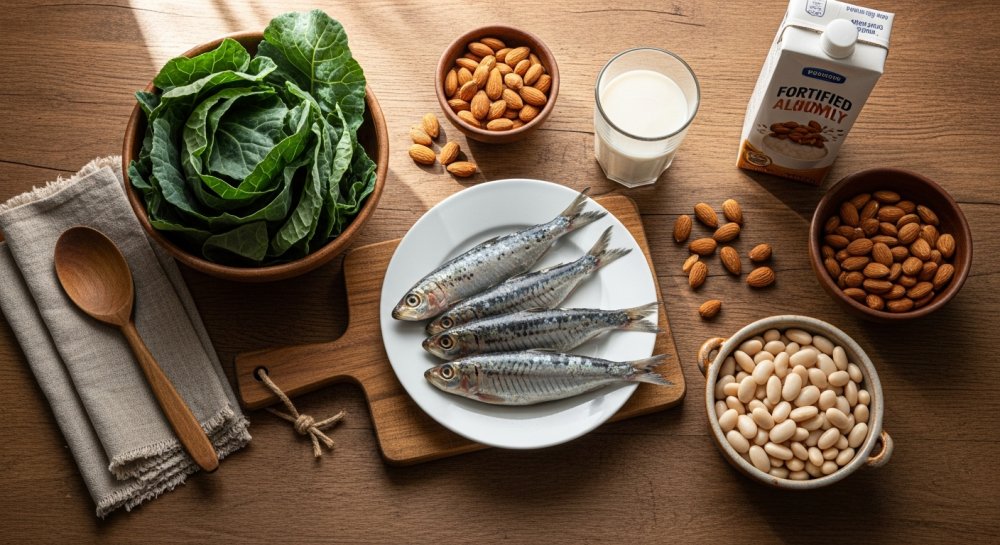
Health Points
- Calcium and vitamin D are essential for bone health, but several non-dairy foods provide these nutrients as effectively as milk
- Dark leafy greens, fortified plant-based milks, and certain fish offer calcium along with additional bone-supporting nutrients like vitamin K and magnesium
- A varied diet incorporating multiple calcium sources may provide better overall bone health than relying on dairy alone
For decades, Americans have been told that milk is essential for strong bones. While dairy certainly plays a role in bone health, emerging research shows that several other foods can support skeletal strength just as effectively—and sometimes even better.
The traditional emphasis on milk stems from its calcium content, a mineral crucial for bone density. But calcium doesn’t work alone in building and maintaining strong bones throughout our lives.
“Bone health is multifactorial,” explains registered dietitian nutritionist Sarah Johnson. “While calcium gets most of the attention, we also need vitamin D, vitamin K, magnesium, and other nutrients working together to support skeletal integrity.”
For Americans over 40, when bone density naturally begins to decline, diversifying calcium sources becomes particularly important. Here are five foods that can support bone health as well as—or better than—milk.
1. Dark Leafy Greens
Collard greens, kale, and bok choy pack a powerful nutritional punch for bone health. These vegetables provide not only calcium but also vitamin K, which helps regulate calcium deposition in bones.
One cup of cooked collard greens contains approximately 266 milligrams of calcium—more than a cup of milk. The vitamin K content in these greens offers an additional advantage that dairy products lack.
“The combination of calcium and vitamin K in leafy greens makes them exceptionally valuable for bone health,” notes Dr. Michael Chen, an orthopedic specialist. “Vitamin K directs calcium to where it’s needed most—in bones rather than soft tissues.”
2. Sardines and Canned Salmon
Small fish consumed with their bones offer a calcium goldmine. Three ounces of canned sardines provide about 325 milligrams of calcium along with vitamin D and omega-3 fatty acids.
The vitamin D in these fish helps the body absorb calcium more efficiently. This makes them particularly beneficial for older adults, who often struggle with vitamin D deficiency.
Canned salmon with bones delivers similar benefits, offering approximately 180 milligrams of calcium per three-ounce serving. The convenience and shelf stability of these options make them practical alternatives to fresh dairy.
3. Fortified Plant-Based Milks
Almond, soy, and oat milks fortified with calcium and vitamin D can match or exceed the nutritional profile of cow’s milk. Many brands now fortify their products to contain 300-450 milligrams of calcium per cup.
These alternatives particularly benefit individuals with lactose intolerance, which affects approximately 36% of Americans and becomes more common with age. The fortification process ensures these plant-based options deliver comparable bone-health benefits.
Soy milk offers an additional advantage: it contains isoflavones, plant compounds that may help preserve bone density in postmenopausal women.
4. Almonds and Almond Butter
A quarter-cup of almonds provides about 95 milligrams of calcium along with magnesium, another mineral essential for bone structure. Magnesium helps convert vitamin D into its active form, facilitating calcium absorption.
Almonds also provide protein and healthy fats that support overall health. Two tablespoons of almond butter offer similar nutritional benefits with added convenience.
“The magnesium in almonds is often overlooked, but it’s crucial for bone health,” says nutritionist Patricia Williams. “Many Americans don’t get enough magnesium, which can compromise calcium utilization regardless of intake levels.”
5. White Beans
Legumes like white beans, navy beans, and cannellini beans provide impressive calcium content—approximately 130 milligrams per cup. They also deliver fiber, protein, and magnesium.
The combination of nutrients in beans supports not just bone health but cardiovascular and digestive health as well. This makes them valuable additions to a wellness-focused diet for adults at any age.
Beans’ versatility in soups, salads, and side dishes makes incorporating them into daily meals straightforward and economical.
Building a Bone-Healthy Diet
Rather than relying exclusively on any single food, nutrition experts recommend incorporating diverse calcium sources throughout the week. This approach ensures a broader spectrum of bone-supporting nutrients.
The recommended daily calcium intake for adults aged 19-50 is 1,000 milligrams, increasing to 1,200 milligrams for women over 50 and men over 70. Most Americans can meet these needs through food rather than supplements.
“Food sources of calcium typically come packaged with other beneficial nutrients that supplements lack,” Dr. Chen explains. “Whole foods provide a nutritional matrix that supports absorption and utilization better than isolated nutrients.”
Weight-bearing exercise remains equally important for bone health. Walking, strength training, and other physical activities stimulate bone formation and help maintain density as we age.
For individuals concerned about bone health, consulting with a healthcare provider about appropriate screening and personalized nutrition recommendations provides the best foundation for long-term skeletal wellness.
The message isn’t that milk is bad—it’s that Americans have more options than previously understood. Whether through dairy or these alternative sources, supporting bone health becomes more achievable when we recognize the variety of nutritious foods available.
