Nutrition
The Science Behind Antioxidants May Surprise You

Health Points
- Antioxidants protect cells from oxidative stress caused by unstable molecules called free radicals
- Your body produces antioxidants naturally, while others come from fruits, vegetables, and whole foods
- Whole foods deliver antioxidants more effectively than supplements for most healthy adults
Americans spend billions annually on antioxidant supplements, yet many don’t fully understand how these compounds work in the body. The truth about antioxidants reveals a more nuanced picture than most supplement marketing suggests.
Antioxidants are molecules that fight free radicals—unstable compounds produced during normal bodily functions like metabolism and immune responses. When free radicals accumulate faster than antioxidants can neutralize them, oxidative stress occurs, potentially damaging cells and contributing to aging and disease development.
“The human body has its own antioxidant defense systems,” explains registered dietitian Sarah Thompson. “These include enzymes like superoxide dismutase and catalase that work around the clock.”
Beyond the body’s natural defenses, dietary antioxidants play an important supporting role. Vitamins C and E, beta-carotene, selenium, and compounds like flavonoids and polyphenols all contribute to antioxidant activity. These nutrients appear abundantly in colorful fruits and vegetables, nuts, seeds, and whole grains.
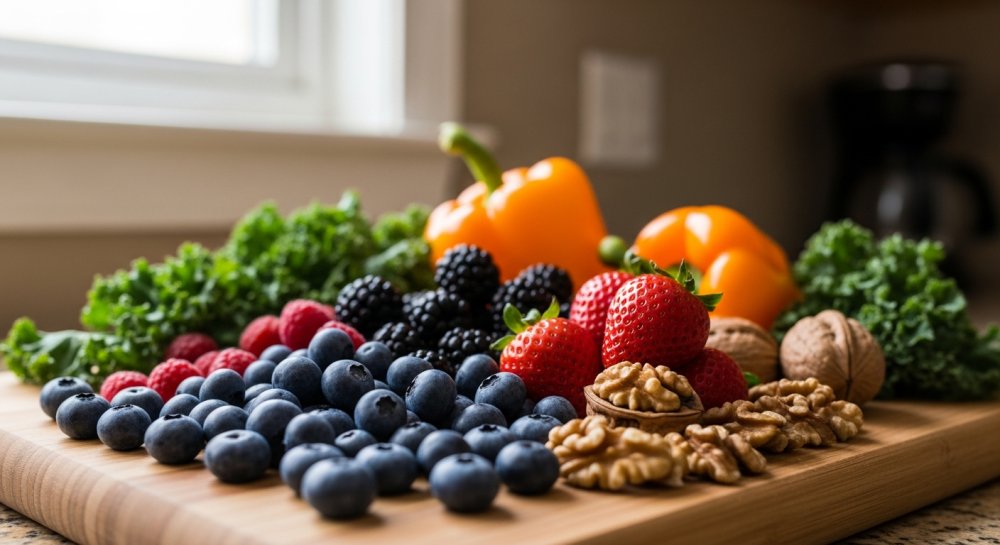
Berries rank among nature’s richest antioxidant sources. Blueberries, strawberries, and blackberries contain anthocyanins—powerful compounds linked to heart and brain health. Dark leafy greens provide lutein and zeaxanthin, which concentrate in eye tissue and may protect against age-related vision decline.
“We see consistent evidence that people who eat diets rich in fruits and vegetables have lower rates of chronic disease,” notes Dr. Michael Reynolds, a preventive medicine specialist. “But when we isolate individual antioxidants in pill form, the benefits often disappear.”
This paradox has puzzled researchers for decades. Multiple large-scale studies examining high-dose antioxidant supplements found no protective benefit against cancer, heart disease, or cognitive decline. Some trials even revealed potential harm, particularly with beta-carotene supplements in smokers.
The explanation likely lies in how antioxidants work together. Whole foods contain hundreds of beneficial compounds that interact synergistically—effects that isolated supplements cannot replicate. The fiber, minerals, and other nutrients in fruits and vegetables may enhance antioxidant absorption and effectiveness.
Certain populations may benefit from targeted antioxidant supplementation under medical supervision. People with macular degeneration often receive specific formulations containing vitamins C and E, zinc, and lutein. Those with diagnosed deficiencies require supplementation to restore normal levels.
“For the average healthy adult eating a balanced diet, antioxidant supplements probably won’t provide additional benefit,” Thompson says. “Your money is better spent on quality whole foods.”
The concept of antioxidant “superfoods” deserves scrutiny as well. While certain foods do contain impressive antioxidant levels, no single food provides comprehensive protection. Variety matters more than any individual ingredient.
Practical steps can maximize dietary antioxidant intake without supplements. Aim for at least five servings of colorful produce daily, choosing different colors throughout the week. Purple cabbage, orange sweet potatoes, red bell peppers, and dark greens each offer distinct antioxidant profiles.
Cooking methods affect antioxidant content differently depending on the food. Light steaming preserves most compounds in vegetables, while boiling can leach water-soluble antioxidants. Some antioxidants in tomatoes and carrots actually become more available after cooking.
Coffee and tea contribute significant antioxidants to many American diets—often more than fruits and vegetables combined. Both beverages contain polyphenols associated with reduced inflammation and improved metabolic health when consumed in moderation.
The future of antioxidant research focuses on understanding which compounds benefit specific health conditions and identifying people most likely to respond. Genetic variations affect how individuals process and utilize different antioxidants, suggesting personalized nutrition may eventually guide recommendations.
For now, the most reliable approach remains straightforward: build meals around minimally processed plant foods, enjoy a rainbow of colors, and save supplement money for the grocery store produce section. Your body’s natural antioxidant systems, supported by a nutrient-rich diet, provide the foundation for long-term cellular health.
