Nutrition
Seven Budget-Friendly Strategies for Boosting Your Protein Intake

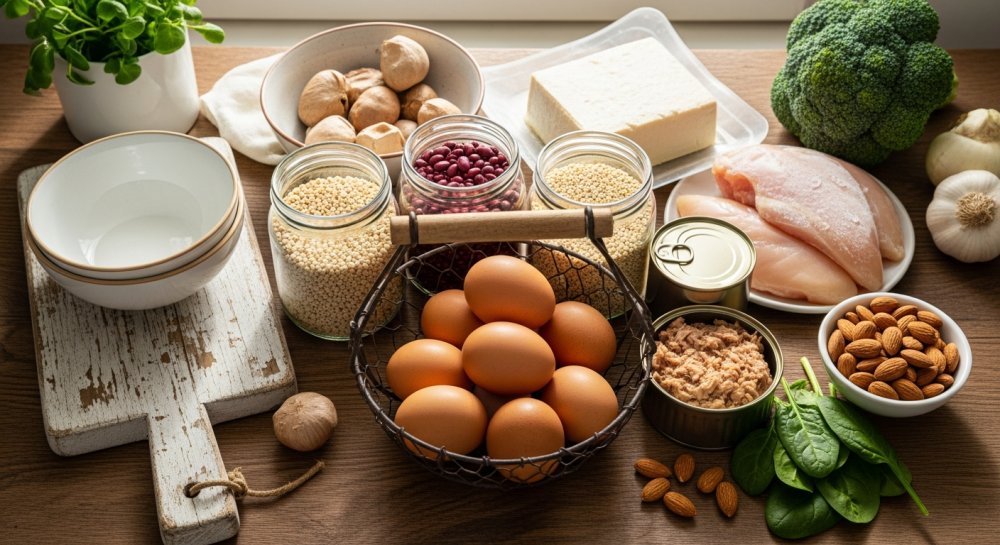
Health Points
- High-protein diets support muscle maintenance, satiety, and metabolic health without requiring expensive specialty foods
- Strategic shopping choices like buying in bulk, choosing plant-based proteins, and selecting frozen options can significantly reduce costs
- Meal planning and utilizing versatile protein sources help maximize nutritional value while minimizing food waste and expenses
Americans concerned about maintaining adequate protein intake while managing grocery budgets can breathe easier. Nutrition experts confirm that high-protein eating doesn’t require premium price tags or specialty store visits.
The importance of protein in daily nutrition cannot be overstated, particularly for adults over 40. This essential macronutrient supports muscle preservation, promotes fullness between meals, and plays a vital role in countless bodily functions from immune health to tissue repair.
According to registered dietitians, the key lies in smart shopping strategies rather than expensive supplements or premium cuts of meat. Plant-based proteins, bulk purchasing, and strategic meal planning can deliver the same nutritional benefits at a fraction of the cost.
Buy Protein-Rich Foods in Bulk
Warehouse stores and bulk sections offer substantial savings on protein staples. Dried beans, lentils, quinoa, and nuts purchased in larger quantities typically cost 30-50% less per serving than pre-packaged alternatives. These shelf-stable options also reduce shopping frequency and food waste.
Freezing bulk purchases of chicken breasts, ground turkey, or fish fillets immediately after purchase extends freshness while locking in savings. Many families find that investing in a small chest freezer pays for itself within months through bulk buying opportunities.
Embrace Plant-Based Protein Sources
Legumes, beans, and lentils provide exceptional protein content at remarkably low prices. A pound of dried black beans, for instance, yields approximately 12 servings and costs less than many single-serving protein bars.
Tofu, tempeh, and edamame offer complete protein profiles comparable to animal sources. These soy-based foods have moved far beyond health food stores into mainstream supermarkets, where competition keeps prices reasonable.
Nutritionists emphasize that plant proteins deliver additional benefits including fiber, vitamins, and minerals often absent from meat-only diets. Combining different plant proteins throughout the day ensures adequate intake of all essential amino acids.
Choose Eggs as a Protein Powerhouse
Despite recent price fluctuations, eggs remain among the most economical complete protein sources available. A single large egg provides approximately six grams of high-quality protein along with essential nutrients like choline, vitamin D, and B vitamins.
Versatility makes eggs particularly valuable for budget-conscious households. From breakfast scrambles to hard-boiled snacks to dinner frittatas, eggs adapt to any meal while delivering consistent nutrition.
Free-range and organic options cost more, but conventional eggs offer identical protein content. Families can choose based on personal values and budget constraints without sacrificing nutritional goals.
Opt for Frozen Protein Options
The frozen food aisle harbors significant savings on high-quality protein sources. Frozen chicken breasts, fish fillets, and seafood blends often cost 20-40% less than fresh equivalents while maintaining nutritional value.
Modern flash-freezing technology preserves proteins at peak freshness, sometimes resulting in higher nutrient retention than “fresh” items that spent days in transport and display. Research confirms that frozen vegetables and proteins match or exceed their fresh counterparts in nutritional content.
Individually wrapped frozen portions prevent waste by allowing households to defrost only what they need. This feature particularly benefits smaller families and individuals living alone.
Plan Meals Around Weekly Sales
Strategic meal planning based on advertised specials maximizes protein intake while minimizing costs. When pork chops go on sale, planning several pork-centered meals that week captures the savings.
Many grocery stores follow predictable discount cycles, with specific proteins rotating through sales every 6-8 weeks. Observant shoppers can stock freezers during these promotional periods, ensuring a steady supply of affordable protein.
Digital coupons and loyalty programs compound these savings. Most major grocery chains now offer apps that streamline deal-finding and automatically apply relevant discounts at checkout.
Utilize Less Popular Protein Cuts
Premium cuts command premium prices, but less fashionable options deliver identical nutritional benefits. Chicken thighs cost significantly less than breasts while providing more flavor and remaining moist during cooking.
Tougher cuts of beef like chuck roast or round steak become tender and delicious with slow-cooking methods. A slow cooker or instant pot transforms these economical options into family favorites at a fraction of the cost of tenderloin or ribeye.
Organ meats, while not appealing to everyone, offer exceptional nutritional density at bargain prices. Liver, heart, and kidneys contain higher concentrations of vitamins and minerals than muscle meats.
Make Protein Stretch Further
Combining smaller portions of expensive proteins with less costly plant-based options creates satisfying, nutritious meals without breaking the budget. Stir-fries featuring abundant vegetables with modest amounts of chicken or shrimp deliver complete nutrition at reduced cost.
Bone broth made from leftover chicken carcasses or beef bones extracts additional protein and nutrients from parts typically discarded. This traditional practice transforms waste into valuable nutrition while adding depth to soups, stews, and sauces.
Casseroles, soups, and mixed dishes naturally extend protein servings through combination with grains, vegetables, and legumes. These traditional comfort foods arose partly from economic necessity but remain nutritionally sound strategies.
The bottom line for health-conscious Americans is encouraging: adequate protein intake supports wellness goals without requiring luxury grocery budgets. Smart shopping, strategic planning, and willingness to explore diverse protein sources make nutritious eating accessible to families across all income levels.
As food prices continue fluctuating, these evidence-based strategies provide stability and control. Investing time in meal planning and price comparison yields both immediate savings and long-term health benefits that compound over time.
