Nutrition
The Unexpected Workout Boost Hiding in Your Pantry

Health Points
- Chia seeds deliver sustained energy through soluble fiber that slows carbohydrate digestion and stabilizes blood sugar during exercise
- Two tablespoons of chia seeds provide 10 grams of fiber, 5 grams of protein, and essential omega-3 fatty acids to support workout performance
- Optimal timing is 30-60 minutes before exercise, allowing the body to digest and convert nutrients into usable energy
For adults navigating the demands of staying active past 40, the search for natural performance enhancers often leads to expensive supplements and complicated regimens. Yet one of the most effective pre-workout additions may already be sitting in your kitchen cabinet.
Chia seeds—those tiny black and white specks that gained superfood status in recent years—offer a scientifically-backed way to enhance exercise performance without artificial additives or stimulants. Their unique nutritional profile makes them particularly valuable for mature adults looking to maintain strength and endurance.
“Chia seeds are an excellent source of soluble fiber, which slows the breakdown of carbohydrates and provides a steady release of energy,” explains registered dietitian Sarah Johnson, who specializes in sports nutrition for active adults. The soluble fiber in chia seeds forms a gel-like substance when mixed with liquid, creating a sustained energy source that prevents the blood sugar spikes and crashes associated with simple carbohydrates.
The nutritional density of chia seeds is remarkable for such a small package. Just two tablespoons deliver 10 grams of fiber—nearly 40% of the recommended daily intake—along with 5 grams of protein and a substantial dose of omega-3 fatty acids. These components work together to support muscle function, reduce inflammation, and enhance endurance during physical activity.
Timing matters when incorporating chia seeds into your pre-workout routine. Fitness experts recommend consuming them 30 to 60 minutes before exercise to allow adequate digestion time. This window enables the body to begin breaking down the nutrients and converting them into usable energy without causing digestive discomfort during your workout.
The omega-3 fatty acids found abundantly in chia seeds provide anti-inflammatory benefits that become increasingly important as we age. Regular consumption may help reduce exercise-induced inflammation and support faster recovery times—critical factors for maintaining consistent workout schedules beyond middle age.
“The protein content in chia seeds, while moderate, contributes to muscle preservation and repair,” notes exercise physiologist Mark Thompson. For older adults particularly concerned with maintaining muscle mass, every gram of quality protein counts toward daily targets.
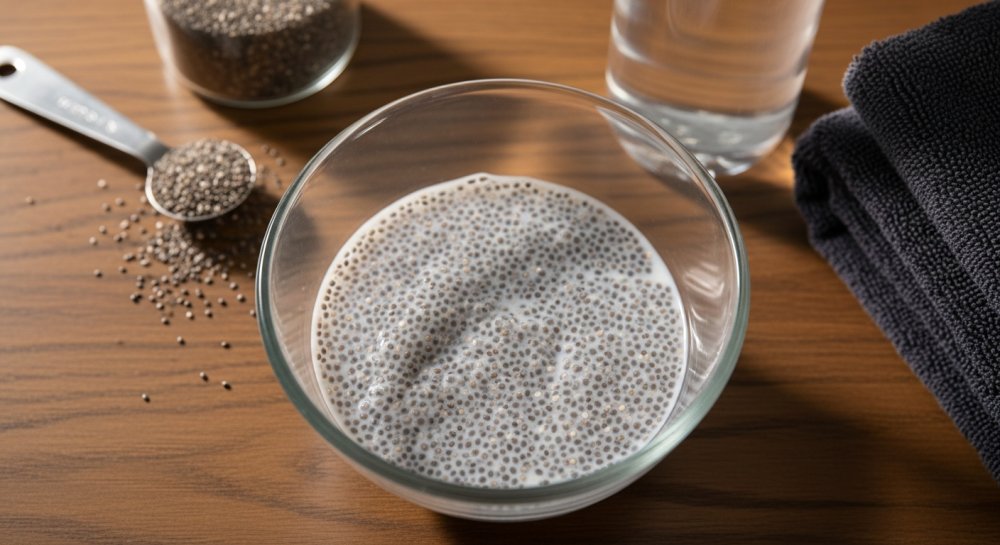
Practical incorporation of chia seeds into pre-workout nutrition doesn’t require elaborate preparation. They can be stirred into yogurt, blended into smoothies, mixed with oatmeal, or even added to homemade energy bars. Some athletes prefer chia pudding—made by soaking the seeds in milk or a dairy alternative overnight—as a grab-and-go option.
Hydration considerations are essential when consuming chia seeds. These tiny powerhouses can absorb up to 12 times their weight in liquid, which contributes to their sustained energy release but also means adequate fluid intake is crucial. Drinking plenty of water alongside chia seed consumption helps optimize their benefits and prevents potential digestive issues.
The blood sugar stabilization properties of chia seeds offer particular advantages for endurance activities. Unlike quick-burning simple sugars that lead to energy crashes mid-workout, the slow carbohydrate release from chia seeds helps maintain consistent performance levels throughout extended exercise sessions.
“For anyone doing cardiovascular exercise lasting longer than 30 minutes, chia seeds can make a noticeable difference in energy sustainability,” Thompson adds.
Beyond immediate workout benefits, the fiber content in chia seeds supports digestive health and promotes feelings of fullness—helping active adults manage weight while meeting their nutritional needs. This dual benefit makes them valuable not just as a pre-workout supplement but as part of an overall healthy eating pattern.
Cost-effectiveness sets chia seeds apart from many commercial pre-workout products. A single bag typically costs less than most supplement powders and provides dozens of servings. This accessibility makes evidence-based nutrition enhancement available to anyone committed to maintaining an active lifestyle.
For those new to chia seeds, starting with a smaller amount—perhaps one tablespoon—allows the digestive system to adjust to the increased fiber intake. Gradually increasing to two tablespoons over a week or two helps minimize any potential digestive adjustment period.
The versatility of chia seeds means they complement virtually any dietary preference. They’re naturally vegan, gluten-free, and can be incorporated into both sweet and savory pre-workout snacks. This adaptability ensures they fit seamlessly into existing eating patterns without requiring major dietary overhauls.
Research continues to explore the full range of benefits these ancient seeds offer modern fitness enthusiasts. Early civilizations recognized their value for sustained energy—Aztec warriors reportedly consumed chia seeds before long journeys and battles—and contemporary science is validating this traditional wisdom with measurable data.
The absence of artificial stimulants in chia seeds makes them appropriate for afternoon or evening workouts when caffeine-based pre-workout formulas might interfere with sleep. This natural approach to energy enhancement aligns with the growing preference among health-conscious adults for whole-food solutions over synthetic alternatives.
As with any dietary change, individuals with existing health conditions or those taking medications should consult healthcare providers before significantly increasing chia seed consumption. While generally safe for most people, the high fiber and omega-3 content may interact with certain medications or conditions.
The simplicity of adding chia seeds to pre-workout nutrition represents a return to straightforward, evidence-based wellness practices. In an industry often dominated by complex supplement stacks and proprietary blends, these unassuming seeds offer a refreshingly uncomplicated path to enhanced performance—no marketing hype required, just solid nutritional science supporting active living at any age.
