Health
Sleep Experts Reveal the Hidden Temperature That Transforms Your Rest

Health Points
- The ideal bedroom temperature for sleep falls between 60 and 67 degrees Fahrenheit, according to sleep medicine specialists
- Core body temperature naturally drops during sleep, and a cooler room supports this biological process for deeper rest
- Individual factors including age, bedding choices, and sleepwear can influence your personal optimal sleep temperature
A good night’s sleep depends on many factors, but one of the most overlooked might be right on your thermostat. Sleep medicine experts have long studied how environmental conditions affect rest quality, and temperature consistently emerges as a critical factor that many Americans get wrong.
The human body undergoes remarkable changes during sleep. As we prepare for rest, our core temperature naturally begins to decline—a biological signal that helps trigger drowsiness and maintain deep sleep cycles throughout the night.
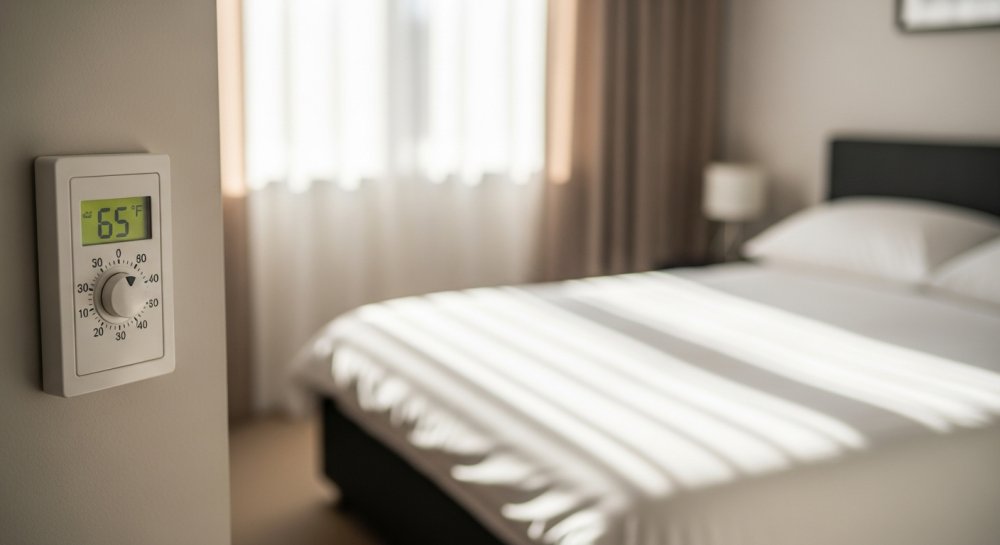
Research from the National Sleep Foundation and sleep medicine specialists points to a surprisingly narrow temperature range for optimal sleep: between 60 and 67 degrees Fahrenheit. This cooler environment supports the body’s natural thermoregulation process during rest.
“Your body needs to drop its core temperature to initiate and maintain sleep,”
sleep researchers explain. When bedroom temperatures run too warm, this natural cooling process gets disrupted, leading to restlessness, frequent waking, and less time spent in the restorative deep sleep stages.
The science behind this temperature sweet spot relates to circadian rhythms—the internal biological clock that regulates sleep-wake cycles. During evening hours, the body redirects blood flow toward extremities, allowing heat to dissipate from the core.
A cooler room facilitates this heat transfer. Conversely, an overheated bedroom forces the body to work against its natural cooling mechanism, often resulting in tossing, turning, and night sweats.
Individual variations do exist, however. Older adults may prefer slightly warmer sleeping environments, as aging can affect the body’s temperature regulation capabilities.
Similarly, infants and young children require warmer room temperatures than adults. The American Academy of Pediatrics recommends keeping infant sleeping areas between 68 and 72 degrees to reduce SIDS risk while maintaining comfort.
Bedding and sleepwear choices significantly impact how temperature affects sleep quality. Heavy comforters, flannel sheets, and warm pajamas can create a microclimate around the body that counters even a properly cooled room.
Sleep experts suggest adjusting layers rather than cranking up the thermostat. Breathable, moisture-wicking fabrics help maintain comfortable body temperature without overheating.
For couples who disagree on bedroom temperature, compromise strategies include separate blankets, breathable mattress materials, and programmable thermostats that adjust throughout the night. Some sleep specialists recommend starting cooler at bedtime and allowing a slight temperature increase toward morning, which can actually support natural waking.
The financial considerations of maintaining a cool bedroom year-round concern many households, particularly during summer months. Energy-efficient fans, strategic window covering during peak heat hours, and programmable thermostats can help manage costs while maintaining sleep-friendly temperatures.
Beyond temperature alone, humidity levels also influence sleep comfort. Ideal relative humidity for sleeping ranges between 30 and 50 percent.
Too much humidity makes cooler temperatures feel clammy, while overly dry air can irritate respiratory passages and disrupt sleep. In particularly humid climates, a dehumidifier may prove as important as temperature control.
Sleep medicine continues advancing our understanding of how environmental factors affect rest quality. While individual preferences vary, the consistent research finding points toward cooler sleeping environments as generally superior for most adults.
Making simple adjustments to bedroom temperature represents one of the most accessible interventions for improving sleep quality. For Americans struggling with rest—an issue affecting millions nationwide—optimizing bedroom temperature offers a straightforward, drug-free approach to better sleep and the improved health outcomes that accompany it.
