Health
Finding the Crown That Fits Your Tooth’s Needs

Health Points
- A dental crown provides essential protection when fillings are no longer sufficient for a damaged tooth.
- Choosing the right crown material depends on the tooth’s location, function, and individual health considerations.
- Working closely with your dentist ensures the best long-term outcome for comfort and durability.
A cracked or weakened tooth can make everyday activities, including eating, uncomfortable. Sometimes, a filling simply cannot provide enough protection. A dental crown offers a reliable solution that restores both strength and appearance.
Selecting the proper crown begins with understanding the options available. Materials range from porcelain and ceramic to metal alloys and combinations designed for different needs. Each type carries distinct advantages based on where the tooth sits in the mouth and how much pressure it must withstand.
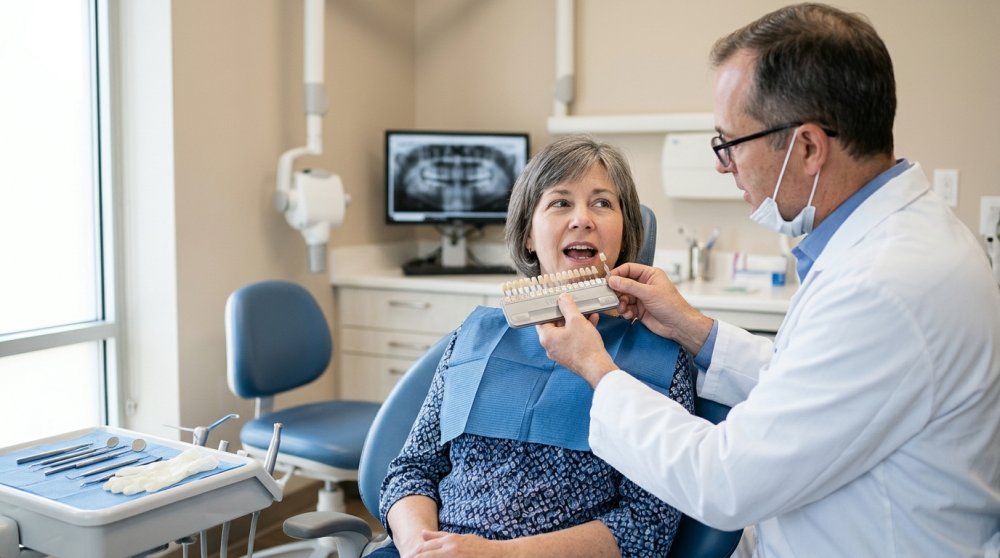
Porcelain crowns blend naturally with surrounding teeth and work well for front teeth where appearance matters most. Metal options, such as gold or other alloys, tend to last longer in back teeth that endure greater chewing forces. Your dentist can explain which choice suits your specific situation.
“The goal is always to preserve as much of the natural tooth structure as possible while ensuring the crown provides lasting protection,” explains a practicing dentist.
Preparation usually requires two visits. The first involves shaping the tooth and taking impressions, while the second visit places the permanent crown. Temporary crowns protect the tooth in between appointments.
After placement, good oral hygiene remains essential. Regular brushing, flossing, and dental check-ups help the crown and surrounding teeth stay healthy for years to come.
