Nutrition
Dietitians Identify One Beverage Linked to Lower Blood Pressure Readings

Health Points
- Daily consumption of unsweetened hibiscus tea may support healthy blood pressure levels
- Research indicates hibiscus compounds promote blood vessel relaxation
- Regular intake shows measurable benefits within weeks when combined with standard dietary measures
Recent evidence points to one common beverage that may offer meaningful support for adults seeking to manage their blood pressure naturally. Dietitians highlight this option for its accessibility and consistent results.
Studies show that hibiscus tea contains natural compounds called anthocyanins and flavonoids. These substances appear to help relax blood vessels and encourage healthy circulation.
“The evidence supporting hibiscus tea is compelling,” notes registered dietitian Sarah Johnson. “Multiple clinical trials demonstrate reductions in both systolic and diastolic readings among participants who consumed the tea daily.”
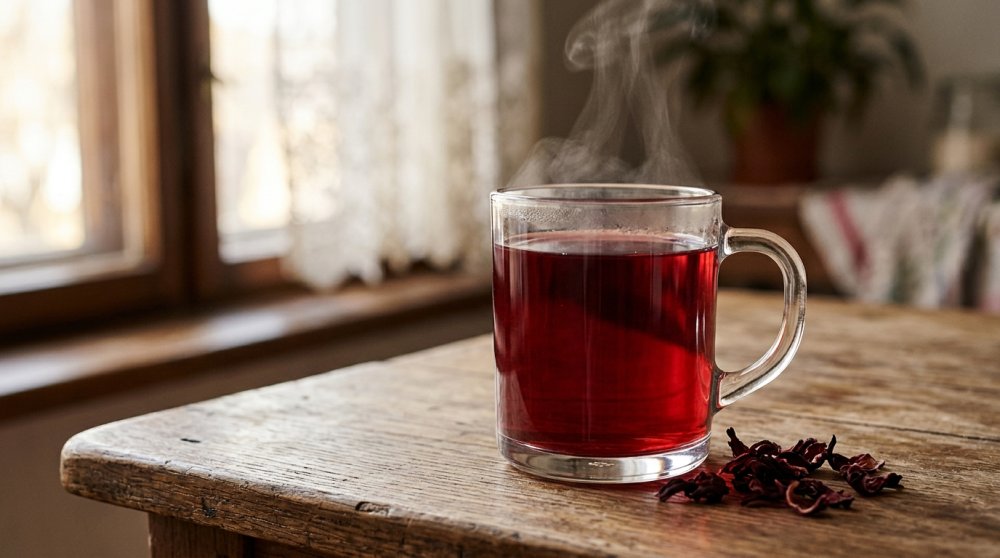
Preparation remains simple. Steep dried hibiscus flowers in hot water for five to ten minutes, then serve either warm or chilled. No added sugar is required to enjoy its naturally tart flavor.
“Consistency matters more than quantity,” explains nutritionist Michael Torres. “Most studies used two to three cups daily over an eight-week period to observe benefits.”
Traditional health practices in many cultures have long valued hibiscus for cardiovascular support. Modern research now provides measurable data backing these historical uses.
Health professionals emphasize that hibiscus tea works best alongside established recommendations. Maintaining a balanced diet, regular physical activity, and prescribed medications when needed remain essential components of blood pressure management.
Individuals taking blood pressure medications should consult their physician before adding hibiscus tea. The beverage may enhance medication effects and require dosage adjustments.
“This is not a replacement for medical treatment,” cautions cardiologist Dr. Patricia Chen. “It represents one supportive dietary choice within a comprehensive approach to heart health.”
Results typically appear gradually. Participants in research studies often notice improvements beginning around four weeks of regular consumption.
Quality matters when selecting hibiscus products. Pure dried flowers or unsweetened commercial tea bags provide the beneficial compounds without unnecessary additives.
“Look for products listing hibiscus as the primary ingredient,” advises Johnson. “Avoid sweetened varieties that may counteract the intended benefits.”
