Nutrition
What to Expect During a Plasma Exchange Procedure

Health Points
- Plasma exchange uses a machine to separate plasma from blood cells and replace it with donor plasma or a substitute.
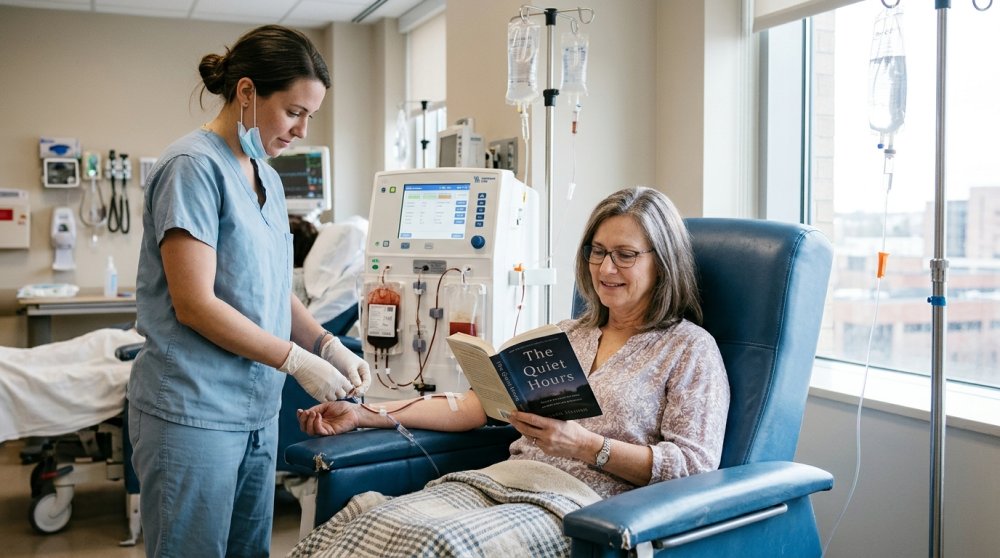
- Most patients sit or lie comfortably for two to three hours while the procedure is performed.
- Preparation includes hydration, a light meal beforehand, and wearing loose clothing for easy access to veins.
Plasma exchange, also called plasmapheresis, is a treatment that removes and replaces the liquid portion of blood to clear harmful substances from circulation. The process is used for certain autoimmune disorders and other medical conditions that do not respond to standard therapy.
During the session, a healthcare team inserts one or two thin tubes into a vein, often in the arm or neck. Blood travels through a machine that separates plasma from the rest of the blood components. The remaining cells are returned to the body with a replacement fluid.
Many people find the experience similar to donating blood or undergoing dialysis. Some feel mild tingling or coolness as the new fluid enters the bloodstream. Staff members monitor vital signs throughout to ensure comfort and safety.
“Patients are encouraged to bring a book or listen to music, because the treatment can last several hours,” says Dr. Maria Lopez, a hematologist who oversees plasma exchange programs. “We want people to feel as relaxed as possible.”
Most individuals can return home the same day after a brief observation period. Follow-up appointments check how the body responds and determine whether additional sessions are needed. Staying well hydrated and avoiding strenuous activity for the rest of the day helps recovery.
