Health
Long Flights Pose Hidden Health Risks Beyond Jet Lag

Health Points
- Extended immobility during flights increases the risk of blood clots
- Dry cabin air can lead to dehydration and respiratory discomfort
- Disrupted sleep patterns may affect immune function and recovery
Long flights can take a greater toll on the body than travelers realize. Spending hours in a cramped seat, breathing dry cabin air, and crossing multiple time zones create challenges that go far beyond simple tiredness.
Medical professionals note that prolonged immobility during air travel can reduce circulation in the legs. This situation may increase the likelihood of developing blood clots, particularly on journeys lasting more than four hours.
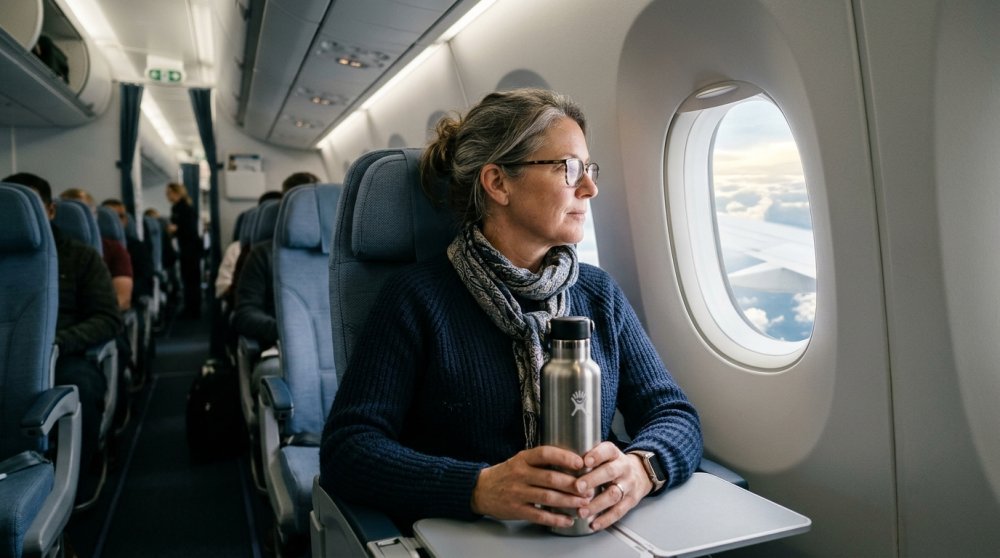
Airplane cabins are pressurized to simulate high-altitude conditions. The resulting low humidity levels can lead to dehydration if passengers do not drink enough water throughout the flight.
“Staying hydrated and moving when possible are simple steps that make a significant difference,” explains a frequent flyer health specialist.
Sleep disruption from changing time zones affects more than alertness upon arrival. Research indicates that irregular rest patterns can temporarily weaken immune responses, making travelers more susceptible to common illnesses after long journeys.
Simple habits such as walking the aisle periodically, choosing supportive footwear, and adjusting meal times to the destination schedule can help reduce these effects. Planning ahead allows passengers to arrive feeling more comfortable and resilient.
