Health
Ancient Brain Herb Gains Fresh Attention From Wellness Experts

Health Points
- Bacopa monnieri, a traditional Ayurvedic herb, shows promise for supporting memory and cognitive function in adults over 40
- Research indicates potential benefits for reducing stress and anxiety, though more studies are needed
- Experts recommend consulting healthcare providers before starting any herbal supplement, especially for those taking prescription medications
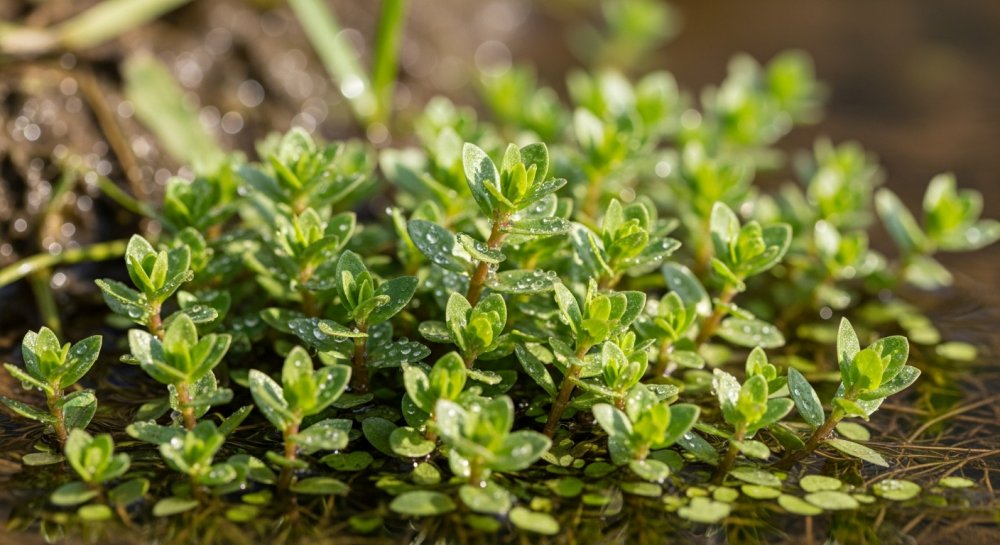
An herb used in traditional medicine for thousands of years is capturing renewed interest among health-conscious Americans seeking natural approaches to brain health. Bacopa monnieri, a small creeping plant native to wetlands of Asia, has emerged from ancient Ayurvedic texts into modern wellness conversations—particularly among those looking to support cognitive function as they age.
The timing of this renewed focus comes as millions of Americans in their 40s, 50s, and beyond express growing concern about maintaining mental sharpness and memory. Unlike trendy supplements that appear and disappear with little scientific backing, bacopa brings centuries of traditional use alongside a growing body of contemporary research.
Bacopa monnieri, sometimes called brahmi or water hyssop, contains compounds called bacosides that researchers believe may influence brain chemistry. The herb has been a cornerstone of Ayurvedic medicine, where practitioners have long prescribed it for enhancing memory and reducing mental fatigue.
Modern scientific investigation has begun examining what traditional healers observed generations ago. Several clinical studies suggest bacopa may support memory formation and recall, though researchers emphasize that results vary among individuals and more extensive trials are needed.
One area generating particular interest involves bacopa’s potential effects on stress response. Some research indicates the herb may help the body adapt to stressful situations, though scientists caution against viewing any single supplement as a complete solution for managing anxiety or chronic stress.
The supplement typically comes in capsule or powder form, derived from the whole plant or its leaves. Unlike some herbs that produce noticeable effects within hours, bacopa appears to work gradually—most studies examining cognitive benefits involved daily use over several weeks or months.
Dosing recommendations vary, with research studies typically using between 300-600 milligrams daily of standardized extract. Healthcare providers familiar with herbal medicine stress the importance of choosing products from reputable manufacturers that provide clear information about bacopa content and purity.
As with any supplement, bacopa carries potential side effects that users should understand before starting. Some people report digestive discomfort, including nausea or stomach cramping, particularly when taking the herb on an empty stomach. These effects often diminish when bacopa is consumed with food.
Less commonly, some users experience fatigue or increased bowel movements. These reactions appear to be dose-dependent and individual, underscoring why starting with lower amounts and gradually increasing may be advisable for those trying bacopa for the first time.
One consideration that deserves particular attention involves medication interactions. Bacopa may influence how the body processes certain drugs, including thyroid medications, sedatives, and drugs that affect brain chemistry. This makes consultation with a healthcare provider essential, especially for anyone taking prescription medications.
The herb may also slow heart rate in some individuals, which could be problematic for those with existing heart rhythm conditions or those taking medications that affect heart rate. People scheduled for surgery are typically advised to discontinue bacopa at least two weeks beforehand due to potential effects on anesthesia and blood sugar levels.
Pregnant and nursing women should avoid bacopa due to insufficient safety data. Similarly, children should only use the herb under direct medical supervision, despite its traditional use in some cultures for young people.
The quality of bacopa supplements varies considerably in the marketplace. Products labeled as “standardized extract” generally contain specified amounts of bacosides, the compounds believed responsible for bacopa’s effects. Reading labels carefully and selecting products that have undergone third-party testing can help ensure consumers get what they’re paying for.
Some formulations combine bacopa with other herbs or nutrients claimed to support brain health. While such combinations may sound appealing, they make it difficult to assess which ingredient produces any observed effects and may increase the risk of interactions.
For those considering bacopa as part of a broader approach to healthy aging, experts emphasize that no supplement replaces foundational health practices. Regular physical activity, quality sleep, stress management, social connection, and a nutrient-dense diet remain the cornerstone of cognitive health at any age.
The research on bacopa, while encouraging in some areas, remains preliminary in many respects. Large-scale, long-term studies examining the herb’s effects in diverse populations are still needed. What works for one person may not produce the same results for another, reflecting the complex interplay of genetics, lifestyle, and individual health status.
Traditional medicine systems like Ayurveda have always emphasized personalization—the idea that herbs should be matched to individual constitution and needs rather than applied universally. This principle remains relevant as Westerners increasingly explore botanical approaches to health.
The growing interest in herbs like bacopa reflects a broader cultural shift toward integrating traditional wisdom with modern science. Rather than viewing these as opposing approaches, many healthcare practitioners now recognize value in learning from both ancient practices and contemporary research methodologies.
For Americans navigating the often-overwhelming world of supplements and health claims, bacopa represents both opportunity and caution. The herb’s long history of use and emerging research create genuine interest, yet the complexity of individual response and potential interactions demand careful, informed decision-making.
Those curious about bacopa would be well-served by thorough conversation with healthcare providers who understand both conventional medicine and herbal therapeutics. Such practitioners can help evaluate whether bacopa makes sense given individual health status, medications, and wellness goals.
As research continues, the coming years may bring clearer understanding of who benefits most from bacopa and under what circumstances. Until then, this ancient herb offers a reminder that some of humanity’s oldest healing traditions still have much to teach—when approached with both respect and appropriate scientific scrutiny.
