Nutrition
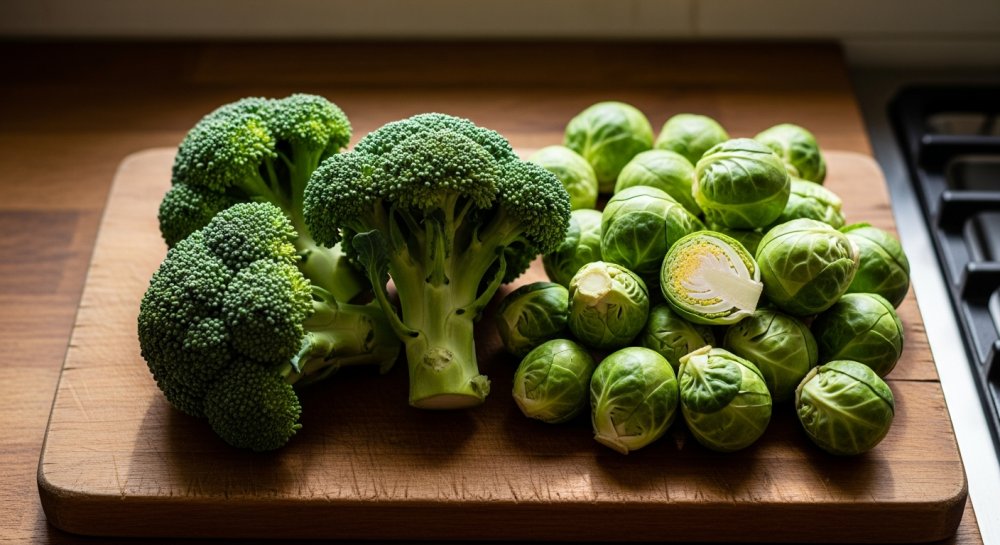
The Surprising Winner in the Battle Between Two Powerhouse Vegetables

Health Points
- Both broccoli and Brussels sprouts provide exceptional nutritional value with high levels of vitamins C and K, fiber, and disease-fighting compounds
- Brussels sprouts edge out broccoli in several key nutrients including vitamin K, folate, and certain antioxidants
- Experts recommend incorporating both vegetables into your diet regularly to maximize health benefits and support longevity
When it comes to nutrient-dense vegetables that support healthy aging, broccoli and Brussels sprouts consistently top the charts. Both belong to the cruciferous vegetable family and have earned reputations as nutritional powerhouses. But for health-conscious adults looking to make every bite count, understanding the subtle differences between these two green giants can help optimize their dietary choices.
The good news is that you really can’t go wrong with either option. Both vegetables deliver impressive amounts of vitamins, minerals, fiber, and powerful plant compounds that support everything from immune function to heart health.
According to USDA data, one cup of cooked broccoli provides approximately 55 calories, 5 grams of fiber, 135% of the daily value for vitamin C, and 116% for vitamin K. Brussels sprouts offer similar benefits with about 56 calories per cooked cup, 4 grams of fiber, and even more impressive numbers for certain nutrients.
The vitamin K content in Brussels sprouts is particularly noteworthy, with one cup providing approximately 182% of the daily value compared to broccoli’s already impressive 116%. Vitamin K plays a crucial role in bone health and proper blood clotting—important considerations for adults over 40.
Registered dietitian Amanda Kostro Miller explains the significance of these nutrient profiles.
“Both vegetables are excellent sources of antioxidants and anti-inflammatory compounds that may help reduce the risk of chronic diseases,” she notes.
Brussels sprouts also contain higher levels of folate, providing about 25% of the daily value per cup compared to broccoli’s 14%. Folate supports cell function and tissue growth, making it essential for overall health maintenance.
The cruciferous family’s hallmark compounds—glucosinolates—appear in both vegetables. When consumed, these compounds break down into substances that research suggests may have cancer-protective properties. Brussels sprouts contain particularly high concentrations of specific glucosinolates that have been studied for their potential health benefits.
Fiber content ranks high in both vegetables, supporting digestive health and helping maintain healthy cholesterol levels. The fiber in cruciferous vegetables also feeds beneficial gut bacteria, contributing to overall wellness—a factor that becomes increasingly important with age.
Nutritionist Sarah Thompson emphasizes the practical approach to choosing between these vegetables.
“The best vegetable is the one you’ll actually eat regularly,” she advises.
Preparation methods can affect nutrient retention in both vegetables. Light steaming or roasting preserves more nutrients than boiling, which can cause some vitamins to leach into cooking water. Both vegetables benefit from being cooked just until tender to maintain their nutritional integrity and improve digestibility.
For those concerned about taste, Brussels sprouts have undergone a renaissance in recent years. Modern farming practices have reduced the bitter compounds that gave them a negative reputation in previous generations. Roasting Brussels sprouts with a touch of olive oil brings out their natural sweetness and creates appealing crispy edges.
Broccoli’s mild flavor and familiar texture make it an accessible choice for those transitioning to a more vegetable-forward diet. Its versatility in various cuisines and cooking methods adds to its appeal for regular meal planning.
Both vegetables support eye health through their lutein and zeaxanthin content—carotenoids that accumulate in the retina and may help protect against age-related vision problems. This becomes particularly relevant for adults navigating the natural changes in eye health that occur over time.
The anti-inflammatory properties found in both broccoli and Brussels sprouts may benefit joint health and overall comfort—concerns that many adults prioritize as they age. Regular consumption of these vegetables as part of a balanced diet supports the body’s natural inflammatory response.
When it comes to the final verdict, Brussels sprouts technically edge out broccoli in several nutritional categories. However, the differences are relatively modest, and both vegetables deliver exceptional health value.
The most practical approach involves rotating both vegetables into your weekly meal plan. This strategy ensures varied nutrient intake while preventing dietary monotony. Aiming for at least 2-3 servings of cruciferous vegetables per week aligns with recommendations for optimal health.
Whether you prefer the familiar florets of broccoli or the compact spheres of Brussels sprouts, making either a regular part of your diet represents a solid investment in long-term wellness. The real winner is anyone who makes room on their plate for these nutritional champions.
