Health
The Five-Minute First Aid Step That Stops Wasp Sting Pain Fast

Health Points
- Immediate cold compress application reduces swelling and pain within minutes of a wasp sting
- Over-the-counter antihistamines and pain relievers provide effective symptom management for most people
- Severe allergic reactions require emergency medical attention and may indicate need for an epinephrine auto-injector prescription
Summer outdoor activities bring welcome sunshine and fresh air, but they also increase encounters with wasps—and the painful stings that can follow. While most wasp stings cause temporary discomfort, knowing the right treatment steps can make a significant difference in recovery time and pain management.
Unlike honeybees, wasps retain their stingers and can strike multiple times, making quick action essential when a sting occurs. The good news is that effective treatment starts with simple measures most people can perform at home using common household items.
The first priority after a wasp sting is moving away from the area to avoid additional stings. Wasps release pheromones when they attack that can attract other wasps, creating a dangerous situation if you remain nearby.
Once in a safe location, wash the sting site thoroughly with soap and water to reduce infection risk. This simple step removes any venom residue on the skin’s surface and cleans the wound of potential contaminants.
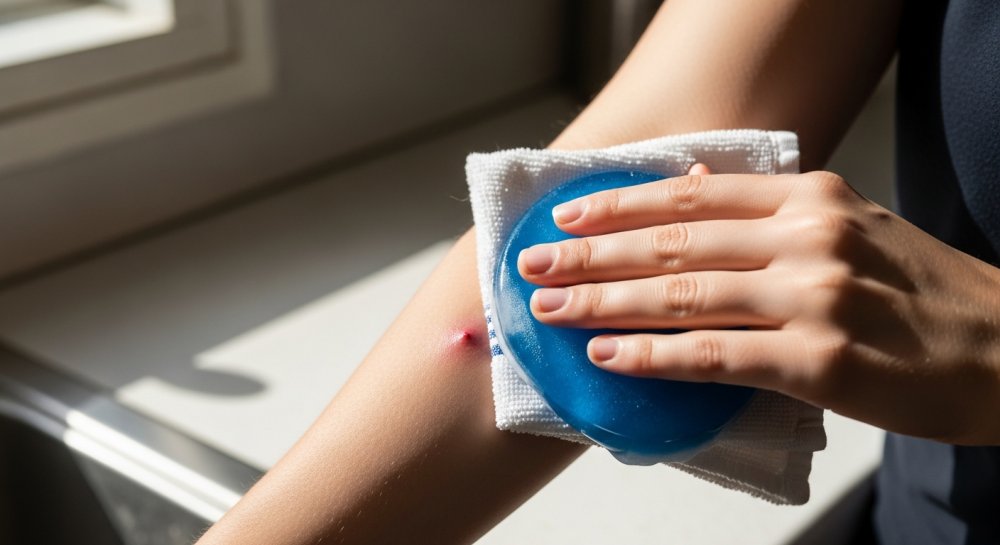
Applying a cold compress or ice pack wrapped in a thin cloth provides immediate relief by numbing the area and reducing inflammation. Keep the compress on the sting site for 10 to 15 minutes at a time, repeating as needed throughout the first few hours.
Over-the-counter pain medications like ibuprofen or acetaminophen can effectively manage the throbbing pain that often accompanies wasp stings. These medications also help reduce inflammation, addressing two symptoms simultaneously.
Antihistamines such as diphenhydramine can minimize itching and swelling, which typically peak within the first 48 hours after a sting. Oral antihistamines work systemically, while topical creams containing hydrocortisone can provide targeted relief at the sting site.
Elevating the affected area, when possible, helps reduce swelling by limiting blood flow to the region. This approach works particularly well for stings on arms or legs.
Natural remedies like baking soda paste may offer additional comfort for some individuals. Mix baking soda with a small amount of water to create a thick paste, then apply it directly to the sting.
Most wasp stings heal completely within a few days to a week with basic home care. The initial sharp pain typically subsides within a few hours, followed by gradual reduction of redness and swelling.
However, certain symptoms require immediate medical attention. Difficulty breathing, swelling of the face or throat, rapid heartbeat, dizziness, or severe widespread hives indicate a potentially life-threatening allergic reaction called anaphylaxis.
People who experience severe allergic reactions should seek emergency care immediately by calling 911. These individuals may need a prescription epinephrine auto-injector to carry for future outdoor activities.
Signs of infection—including increasing pain, warmth, redness spreading beyond the sting site, or pus—also warrant medical evaluation. While uncommon, infections can develop if bacteria enter through the puncture wound.
Multiple stings, particularly more than ten at once, may require medical assessment even without allergic symptoms. The cumulative venom load can cause more severe reactions in some people.
Prevention remains the best strategy for avoiding wasp stings altogether. Wear shoes outdoors, avoid brightly colored clothing and floral patterns that attract wasps, and keep food and drinks covered during outdoor meals.
If wasps are flying nearby, remain calm and move away slowly rather than swatting at them. Quick movements and aggression often provoke defensive stinging behavior.
For those with known severe allergies to wasp stings, carrying an epinephrine auto-injector at all times during warm months can be lifesaving. Family members and friends should know how to administer the medication in case of emergency.
Understanding proper wasp sting treatment empowers people to respond confidently when stings occur. With the right approach, most individuals can manage symptoms effectively at home and return to enjoying outdoor activities within days.
