Nutrition
Fifteen Everyday Foods That Science Says Can Lower Your Cholesterol

Health Points
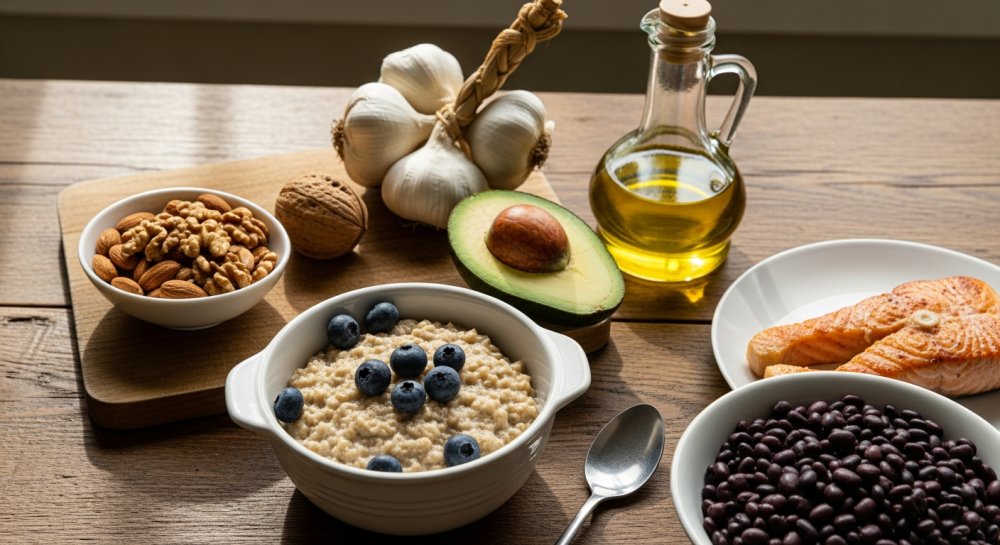
- Dietary fiber from oats, barley, and beans naturally helps reduce LDL cholesterol absorption in the digestive system
- Fatty fish rich in omega-3s and nuts containing healthy fats actively support cardiovascular health
- Plant sterols found in fortified foods and certain vegetables can block cholesterol absorption by up to 15 percent
For millions of Americans over 40, managing cholesterol levels has become a cornerstone of maintaining heart health and longevity. While medication plays an important role for many, emerging research continues to validate what nutritionists have long advocated: the right dietary choices can make a measurable difference in cholesterol profiles.
High cholesterol affects nearly 93 million American adults, according to the Centers for Disease Control and Prevention. Left unchecked, elevated LDL (low-density lipoprotein) cholesterol contributes to plaque buildup in arteries, increasing the risk of heart attack and stroke.
The good news is that strategic food choices can help lower harmful LDL cholesterol while supporting beneficial HDL (high-density lipoprotein) levels. These fifteen foods have earned recognition from cardiovascular researchers and registered dietitians for their cholesterol-lowering properties.
Oats and Barley
Starting the day with a bowl of oatmeal delivers soluble fiber called beta-glucan, which forms a gel-like substance in the digestive tract. This gel binds to cholesterol-rich bile acids and removes them from the body before they can be absorbed.
Research published in the American Journal of Clinical Nutrition found that consuming three grams of beta-glucan daily—roughly the amount in a cup and a half of cooked oatmeal—can reduce LDL cholesterol by five to ten percent. Barley offers similar benefits with comparable fiber content.
Beans and Legumes
Black beans, kidney beans, lentils, and chickpeas rank among the most effective cholesterol-fighting foods available. These legumes pack substantial amounts of soluble fiber while providing plant-based protein that can replace cholesterol-raising animal proteins.
A meta-analysis examining 26 randomized trials concluded that eating one serving of legumes daily lowered LDL cholesterol by an average of five percent. The fiber in beans also promotes satiety, supporting weight management—another factor in cardiovascular health.
Fatty Fish
Salmon, mackerel, sardines, and albacore tuna deliver omega-3 fatty acids that reduce triglycerides and raise HDL cholesterol. These essential fats also possess anti-inflammatory properties that benefit arterial health.
The American Heart Association recommends eating fatty fish at least twice weekly. For those concerned about mercury exposure, smaller fish like sardines and anchovies offer omega-3 benefits with minimal contaminant risk.
Nuts
Almonds, walnuts, pistachios, and other tree nuts contain a powerful combination of unsaturated fats, fiber, and plant sterols. Multiple clinical trials have demonstrated that eating a handful of nuts daily—about one and a half ounces—can reduce LDL cholesterol by five percent.
Walnuts stand out for their high alpha-linolenic acid content, a plant-based omega-3 fatty acid. Despite their calorie density, research shows that regular nut consumption does not lead to weight gain when nuts replace less healthful snacks.
Avocados
This creamy fruit provides monounsaturated fats that lower LDL cholesterol while maintaining or even raising beneficial HDL levels. Avocados also supply fiber, potassium, and antioxidants that support overall cardiovascular function.
A study in the Journal of Nutrition found that eating one avocado daily as part of a moderate-fat diet significantly reduced LDL cholesterol compared to a similar diet without avocados. The effect proved most pronounced in participants with elevated cholesterol at baseline.
Olive Oil
Extra virgin olive oil forms the cornerstone of the Mediterranean diet, consistently associated with lower heart disease rates. Rich in monounsaturated oleic acid and antioxidant polyphenols, olive oil improves cholesterol ratios and reduces arterial inflammation.
Research suggests using olive oil in place of butter, margarine, or other saturated fats can lower LDL cholesterol by up to fifteen percent. The quality matters—extra virgin varieties retain more beneficial compounds than refined versions.
Vegetables Rich in Soluble Fiber
Brussels sprouts, okra, eggplant, and carrots supply soluble fiber that binds cholesterol in the digestive system. These vegetables also provide vitamins, minerals, and phytonutrients that support multiple aspects of health.
Okra deserves special mention for its mucilage content, a particularly effective type of soluble fiber. Studies show that regular okra consumption can reduce total cholesterol and LDL levels while improving blood sugar control.
Apples and Citrus Fruits
Apples contain pectin, a soluble fiber that helps eliminate cholesterol. The flavonoids in apples also demonstrate antioxidant effects that protect LDL cholesterol from oxidation—a key step in arterial plaque formation.
Citrus fruits like oranges and grapefruits provide similar pectin benefits. One medium apple or orange delivers about four grams of fiber, contributing meaningfully toward the recommended 25 to 30 grams daily.
Soy Foods
Tofu, tempeh, edamame, and soy milk contain proteins that can replace cholesterol-raising animal products. While earlier claims about soy’s cholesterol-lowering effects may have been overstated, current evidence supports modest benefits.
The Food and Drug Administration acknowledges that consuming 25 grams of soy protein daily may reduce heart disease risk. Choosing whole soy foods rather than highly processed soy products maximizes nutritional value.
Dark Chocolate
Cocoa contains flavonoids called catechins that can lower LDL cholesterol and raise HDL levels. The key lies in choosing dark chocolate with at least 70 percent cocoa content and limiting portions to about one ounce daily.
A review of studies published in the European Journal of Clinical Nutrition found that cocoa consumption improved cholesterol profiles and reduced cardiovascular risk markers. The benefits disappear when chocolate contains excessive sugar and fat.
Garlic
This pungent bulb has been valued for cardiovascular benefits since ancient times. Modern research confirms that garlic can modestly reduce total cholesterol and LDL levels, though effects vary among individuals.
Allicin, the compound responsible for garlic’s distinctive aroma, appears central to its cholesterol-lowering properties. Fresh garlic provides more allicin than supplements, though both forms show some efficacy in clinical trials.
Flaxseed
Ground flaxseed delivers both soluble fiber and alpha-linolenic acid, the plant form of omega-3 fatty acids. This combination helps reduce LDL cholesterol while supporting overall heart health.
Studies indicate that consuming two to three tablespoons of ground flaxseed daily can lower cholesterol by five to ten percent. Whole flaxseeds pass through the digestive system intact, so grinding them before consumption proves essential for maximum benefit.
Tea
Both green and black tea contain catechins and other antioxidants that reduce LDL cholesterol and protect against oxidative damage. Green tea appears slightly more effective due to higher catechin concentrations.
Research from China found that regular tea consumption correlated with lower total cholesterol and improved HDL to LDL ratios. Drinking three to five cups daily appears optimal, though even smaller amounts provide benefits.
Fortified Foods
Certain margarines, orange juices, and yogurt drinks come fortified with plant sterols or stanols—compounds that block cholesterol absorption in the intestines. Consuming two grams of plant sterols daily can reduce LDL cholesterol by eight to ten percent.
These fortified products work best when consumed with meals, as plant sterols compete directly with dietary cholesterol for absorption. Reading labels helps ensure adequate sterol content—some products contain minimal amounts despite marketing claims.
Red Wine
Moderate red wine consumption has been associated with improved cholesterol profiles, primarily through raising HDL cholesterol. The polyphenols in red wine, particularly resveratrol, also provide antioxidant protection for blood vessels.
Health authorities define moderate consumption as one five-ounce glass daily for women and up to two glasses for men. Exceeding these amounts negates cardiovascular benefits and introduces other health risks.
Building a Cholesterol-Conscious Eating Pattern
While individual foods offer measurable benefits, the greatest impact comes from an overall dietary pattern that emphasizes plant foods, healthy fats, and minimal processed ingredients. The Mediterranean and DASH (Dietary Approaches to Stop Hypertension) diets both demonstrate superior cholesterol-lowering effects compared to typical American eating patterns.
Combining these dietary strategies with regular physical activity, maintaining a healthy weight, and avoiding tobacco creates a comprehensive approach to cardiovascular wellness. For those with significantly elevated cholesterol or existing heart disease, medication prescribed by a healthcare provider may be necessary alongside dietary changes.
Before making major dietary modifications, especially for individuals taking cholesterol-lowering medication, consulting with a physician or registered dietitian ensures changes align with individual health needs and goals. Blood cholesterol testing before and after dietary adjustments helps track progress and guide further refinements.
