Nutrition
The 10 Snacks Emergency Responders Keep on Hand for Sudden Blood Sugar Drops

Health Points
- Hypoglycemia occurs when blood sugar drops below 70 mg/dL and requires fast-acting carbohydrates to restore safe levels
- The ideal emergency snack contains 15 grams of simple carbohydrates that enter the bloodstream within minutes
- Pairing carbohydrates with protein helps prevent blood sugar from dropping again after the initial spike
When blood sugar plummets unexpectedly, the body sends unmistakable warning signals—shakiness, sweating, confusion, and an overwhelming sense that something is wrong. For millions of Americans managing diabetes or experiencing hypoglycemia, knowing which foods provide the fastest relief can mean the difference between a minor inconvenience and a medical emergency.
“The 15-15 rule is the gold standard for treating low blood sugar,” explains registered dietitian Sarah Thompson, a certified diabetes educator with over 15 years of clinical experience. “You consume 15 grams of fast-acting carbohydrates, wait 15 minutes, then recheck your glucose level.”
Blood sugar drops below 70 milligrams per deciliter qualify as hypoglycemia, a condition that demands immediate attention. The brain relies on glucose as its primary fuel source, which explains why mental fog and difficulty concentrating often accompany physical symptoms.
Simple carbohydrates work fastest because they require minimal digestion before entering the bloodstream. Complex carbohydrates and foods high in fat or protein take longer to convert to glucose, making them poor choices during an acute episode.
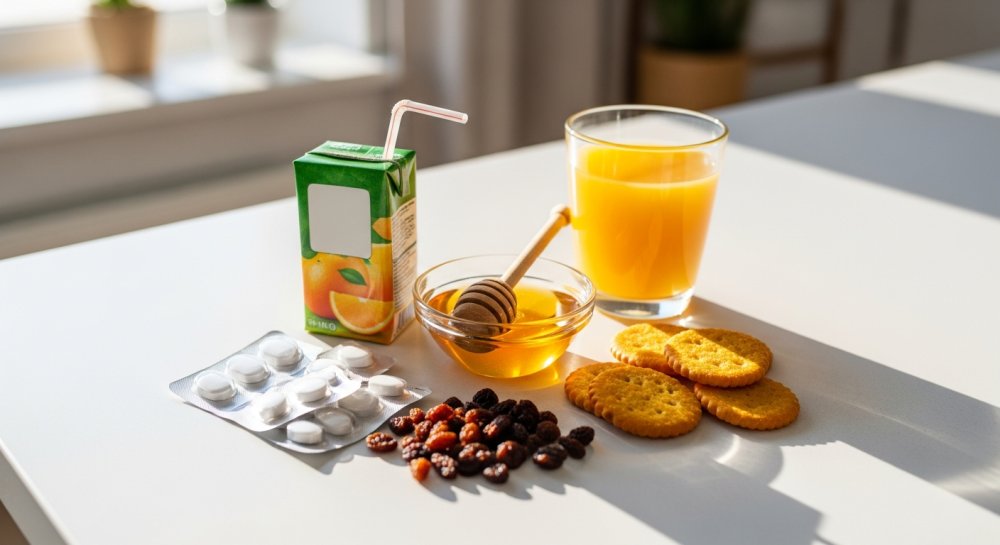
Glucose tablets top the list for emergency situations. Each tablet contains a precise 4 grams of glucose, allowing for exact dosing. They dissolve quickly, work within 10 to 15 minutes, and remain stable in purses, glove compartments, and gym bags for months.
Half a cup of fruit juice delivers approximately 15 grams of natural sugars without added fiber to slow absorption. Orange juice, apple juice, and grape juice all work equally well, though portions matter more than variety.
Regular soda provides another reliable option. Four ounces of non-diet cola, lemon-lime soda, or ginger ale contains the necessary carbohydrates. Diet versions offer zero benefit since artificial sweeteners don’t raise blood glucose.
“I always tell my patients to keep small juice boxes in their car and office,” Thompson notes. “They’re portable, shelf-stable, and pre-measured, which removes the guesswork when you’re not thinking clearly.”
One tablespoon of honey or maple syrup offers 15 grams of simple sugars in concentrated form. This makes them particularly useful for people experiencing nausea or difficulty swallowing larger volumes of liquid.
Hard candies work in a pinch, though they take slightly longer to dissolve than liquid options. Five to six pieces of most hard candies equal the target 15 grams, but checking nutrition labels remains essential since sizes vary by brand.
Dried fruit concentrates natural sugars into small, portable servings. Two tablespoons of raisins provide the needed carbohydrates, as do approximately six to eight dried apricot halves or three to four dried dates.
Saltine crackers paired with a teaspoon of honey combine convenience with effectiveness. Six crackers alone provide about 15 grams of carbohydrates, though they digest slightly slower than pure sugars.
Graham crackers offer another whole-grain option. Three squares deliver the target amount of carbohydrates and have the added benefit of being easily divided for precise dosing.
“Once blood sugar stabilizes, that’s when you want to add protein,” Thompson emphasizes. “A handful of nuts, some cheese, or a spoonful of peanut butter helps prevent another crash.”
Sports drinks formulated with electrolytes and carbohydrates serve double duty, especially after exercise-induced hypoglycemia. Eight ounces typically provides 15 grams of carbohydrates while replacing lost fluids and minerals.
Milk contains natural lactose, a sugar that raises blood glucose more gradually than juice or candy. Eight ounces of low-fat or fat-free milk works for mild cases, though higher-fat versions digest too slowly for acute situations.
The timing of treatment matters as much as the food choice itself. Waiting too long to address falling blood sugar can progress from mild symptoms to severe confusion, loss of consciousness, or seizures in extreme cases.
Testing blood glucose 15 minutes after treatment confirms whether levels have risen above 70 mg/dL. If they remain low, consuming another 15 grams of fast-acting carbohydrates becomes necessary, followed by another 15-minute wait and retest.
Prevention strategies focus on regular meal timing, monitoring carbohydrate intake, and adjusting medication or insulin doses in consultation with healthcare providers. Skipping meals, unusual physical activity, or medication changes all increase hypoglycemia risk.
“People managing diabetes need to think of these fast-acting snacks as medicine, not food,” Thompson advises. “Keep them accessible at all times, replace expired items, and don’t hesitate to use them when symptoms appear.”
Family members and close contacts should know where emergency snacks are stored and recognize the signs of low blood sugar. Quick action from others can prove critical when someone becomes too confused to self-treat.
While occasional hypoglycemia episodes happen to most people with diabetes, frequent occurrences signal the need for treatment plan adjustments. Working with endocrinologists and diabetes educators helps identify patterns and implement preventive solutions.
The right emergency snack strategy combines accessibility, effectiveness, and simplicity. Keeping multiple options in various locations ensures help is always within reach when blood sugar takes an unexpected dive.
