Nutrition
New Research Links Low Glycemic Foods to Sustained Energy Levels

Health Points
- Choosing foods with a low glycemic index helps maintain steady blood sugar throughout the day
- Whole grains, legumes, and most vegetables support consistent energy without sharp spikes or crashes
- Small, regular meals containing fiber and protein can reduce afternoon fatigue
Many adults notice that their energy levels fluctuate throughout the day, particularly after lunch. Understanding how different foods affect blood sugar can make a meaningful difference in daily comfort and productivity.
Foods that rank lower on the glycemic index release glucose more gradually into the bloodstream. This slower release supports sustained energy rather than the quick rise and fall associated with refined carbohydrates.
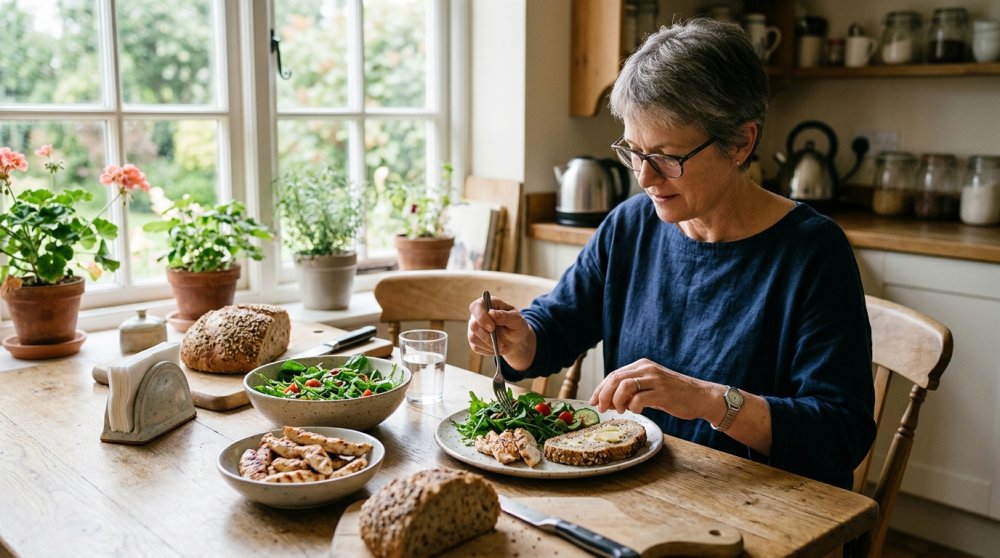
Nutrition professionals emphasize the importance of pairing carbohydrates with protein and healthy fats. A lunch that includes grilled chicken, leafy greens, and olive oil tends to keep blood sugar steadier than a meal centered on white bread or sugary snacks.
“Small changes in food choices can have a noticeable impact on how people feel by mid-afternoon,” said a registered dietitian who works with adults managing blood sugar concerns.
Whole fruits, steel-cut oats, and beans are examples of foods that generally produce a milder blood sugar response. Swapping one refined-grain item for a whole-grain alternative at each meal is a simple starting point for many households.
Portion awareness also matters. Even low-glycemic foods can raise blood sugar if eaten in very large amounts, so balancing plate composition remains helpful.
Consistent meal timing supports the body’s natural rhythms. Eating every three to four hours, rather than skipping meals and then overeating later, tends to keep energy levels more even.
Staying hydrated and including movement after meals, such as a short walk, further assists the body in using glucose efficiently. These habits complement food choices without requiring dramatic lifestyle overhauls.
