Nutrition
Why Stairs Leave You Winded After 40

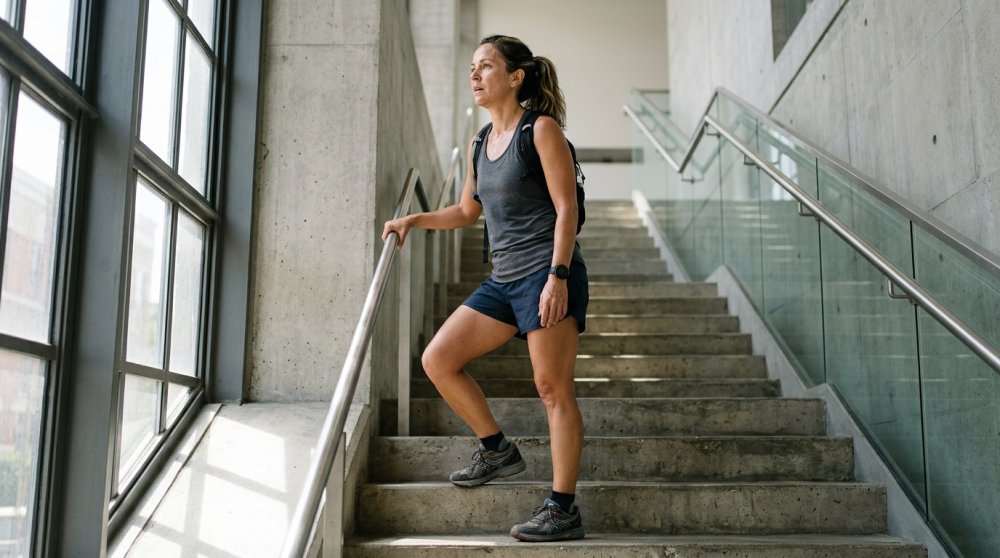
Health Points
- Shortness of breath during stair climbing often signals a gradual decline in cardiovascular efficiency that can be slowed through consistent, moderate activity.
- Strength training twice weekly supports the muscles that assist breathing and improves overall stamina on inclines.
- Annual check-ups help identify treatable issues such as mild anemia or early lung changes before they progress.
Climbing a single flight once felt effortless, yet many adults notice the effort increases with each passing decade. Two short sentences here set the stage. The change is rarely sudden; rather, the heart and lungs adapt to lower daily demands and gradually lose reserve capacity.
“Regular movement is the most reliable way to maintain lung and heart function after forty,” explains Dr. Maria Sanchez, a preventive cardiologist.
Simple daily choices add up. Taking the stairs on purpose, parking farther from store entrances, and standing during phone calls quietly raise activity levels without requiring new equipment or gym fees.
Pairing movement with basic resistance work pays extra dividends. Two or three sessions that focus on legs, hips, and core give the body the power needed to lift itself upward more efficiently.
“We see the biggest improvements when patients treat stair climbing as training rather than an obstacle,” notes physical therapist Alan Reyes.
Nutrition also plays a supporting role. Adequate iron, B vitamins, and steady hydration keep red blood cells functioning at their best, delivering oxygen where it is needed during exertion.
If breathlessness arrives quickly or is paired with chest pressure, dizziness, or lasting fatigue, a medical visit is warranted. Early attention often uncovers modest issues that respond well to straightforward treatment and lifestyle adjustments.
