Nutrition
New Research Weighs Butternut Squash Against Sweet Potato for Stable Blood Sugar

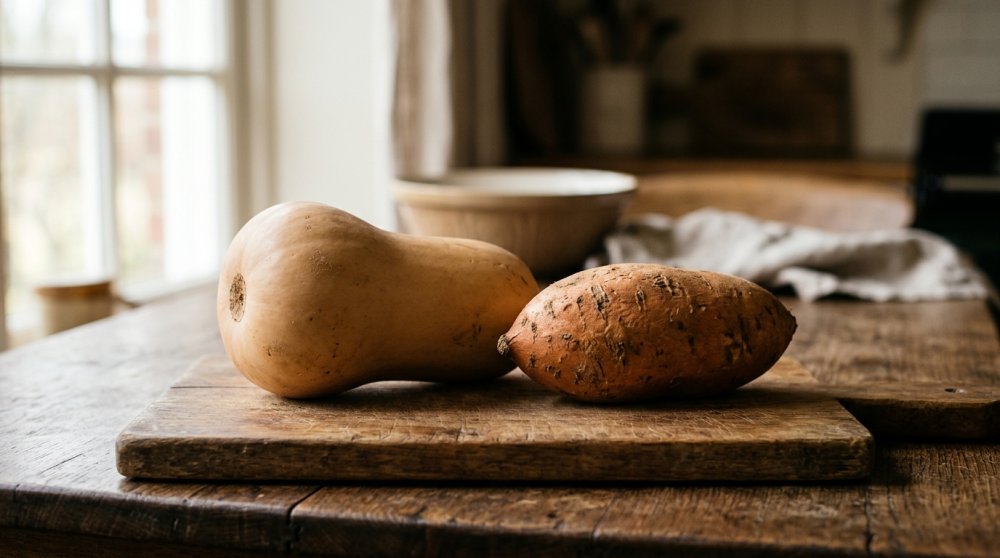
Health Points
- Butternut squash and sweet potatoes both offer fiber that helps slow blood-sugar spikes after meals.
- Butternut squash contains slightly fewer carbohydrates per cooked cup, a modest advantage for glucose management.
- Registered dietitians recommend choosing whichever vegetable you enjoy most and pairing it with lean protein and healthy fats.
Nutritionists continue to examine how different winter vegetables influence blood glucose, and two favorites often top the list: butternut squash and sweet potato. Both deliver vitamins, minerals and fiber that support overall health, yet subtle differences can matter for those monitoring blood sugar.
According to the study’s carbohydrate counts, one cup of cooked butternut squash provides about 16 grams of carbs, while the same volume of sweet potato contains roughly 27 grams. The lower carbohydrate load in squash may translate to a gentler rise in blood glucose for some people.
Fiber content also plays a role. Each vegetable supplies around 3 to 4 grams of fiber per cup, an amount that slows digestion and tempers glucose absorption.
“It’s not about eliminating carbs; it’s about choosing quality carbs and balancing the plate,” says registered dietitian Maya Feller. “Both vegetables fit well in a blood-sugar-friendly diet when portion sizes are managed.”
Another consideration is glycemic index. Sweet potatoes tend to register a moderate GI, while butternut squash falls slightly lower. Individuals with diabetes or insulin resistance may find the difference helpful, though overall meal composition remains the deciding factor.
Both vegetables shine nutritionally. Butternut squash is rich in vitamin A and vitamin C, while sweet potatoes offer beta-carotene and potassium. Dietitians suggest rotating the two throughout the week to gain a broad spectrum of nutrients.
Preparation methods can influence blood-sugar response. Roasting or steaming preserves fiber and nutrients without added sugars or fats. Adding olive oil or a lean protein such as grilled chicken or tofu can further blunt post-meal glucose spikes.
Ultimately, personal preference should guide the choice. Enjoying the food you select encourages long-term adherence to healthy eating habits, which matters more than minor carbohydrate differences between these two winter staples.
