Nutrition
Canned Staples That Deliver Real Nutritional Benefits

Health Points
- Many canned foods retain their key nutrients even after processing.
- Choosing low-sodium and no-added-sugar varieties maximizes health advantages.
- These pantry items offer convenience without sacrificing essential vitamins and minerals.
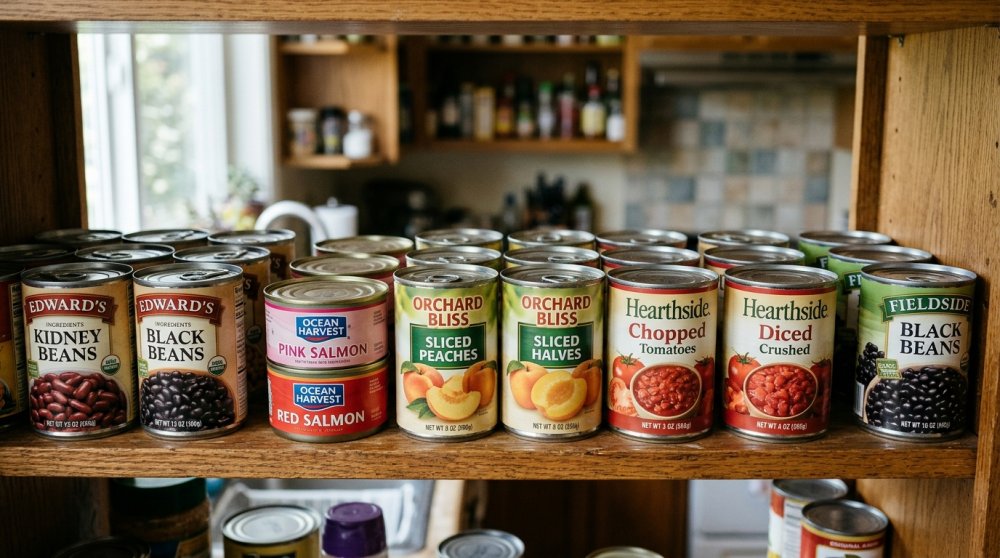
Canned foods have long been pantry staples, but not all deserve the reputation for being overly processed. Many popular items keep their nutritional value intact, making them worthwhile additions to a balanced diet.
Beans, for instance, remain a reliable source of fiber and plant-based protein. Canned varieties often require no soaking or long cooking times, which encourages regular use in everyday meals.
“Canned beans provide the same fiber and protein as dried beans,” explains registered dietitian Sarah Johnson.
Tomatoes also hold their own in canned form. The heat used during processing helps release lycopene, an antioxidant linked to heart health. Low-sodium canned tomatoes can serve as the base for soups, stews, and sauces.
Fish such as salmon and sardines are frequently sold in cans and deliver omega-3 fatty acids along with calcium when the bones are included. These options provide an easy way to add heart-healthy fats to salads or whole-grain dishes.
“Canned salmon with the bones is one of the most affordable sources of both calcium and omega-3s,” notes Johnson.
Fruits packed in their own juice or water, rather than heavy syrup, maintain much of their vitamin content. Peaches, pears, and pineapple are common choices that can top yogurt or oatmeal for a quick snack.
