Nutrition
Why Timing Your Fish Meals Could Transform Your Heart Health

Health Points
- Consuming fish at midday may optimize omega-3 absorption and support cardiovascular function
- Fatty fish varieties like salmon and mackerel provide the highest concentration of heart-protective nutrients
- Regular fish consumption combined with meal timing strategies supports healthy aging and inflammation reduction
For Americans over 40 looking to maximize their heart health, the question isn’t just what to eat—it’s when to eat it. New insights into nutritional timing suggest that the moment you consume fish rich in omega-3 fatty acids could make a meaningful difference in how your body absorbs these vital nutrients.
Omega-3 fatty acids have long been recognized as essential for cardiovascular wellness, brain function, and reducing inflammation throughout the body. These powerful compounds, found abundantly in fatty fish, play a crucial role in maintaining healthy aging and protecting against age-related decline.
Research indicates that consuming fish during midday hours may offer advantages for nutrient absorption. When the body’s metabolic processes are at their peak during lunch hours, the digestive system appears better equipped to break down and utilize the omega-3s found in fish.
The science behind this timing relates to our circadian rhythms—the internal biological clock that regulates countless bodily functions. Digestive enzymes and metabolic activity follow predictable patterns throughout the day, with midday representing an optimal window for processing nutrient-dense foods like fish.
Not all fish provide equal benefits. Fatty varieties stand out as nutritional powerhouses for those seeking maximum omega-3 content. Salmon, mackerel, sardines, and herring top the list of heart-healthy options, delivering substantial amounts of EPA and DHA—the two most beneficial forms of omega-3 fatty acids.
For individuals managing cardiovascular concerns or seeking to prevent heart disease, incorporating these fish varieties two to three times weekly represents a practical, evidence-based dietary strategy. The American Heart Association has long recommended regular fish consumption as part of a heart-healthy eating pattern.
Beyond omega-3s, fish provides high-quality protein, vitamin D, and selenium—nutrients particularly important for adults navigating the aging process. These compounds work synergistically to support immune function, bone health, and metabolic wellness.
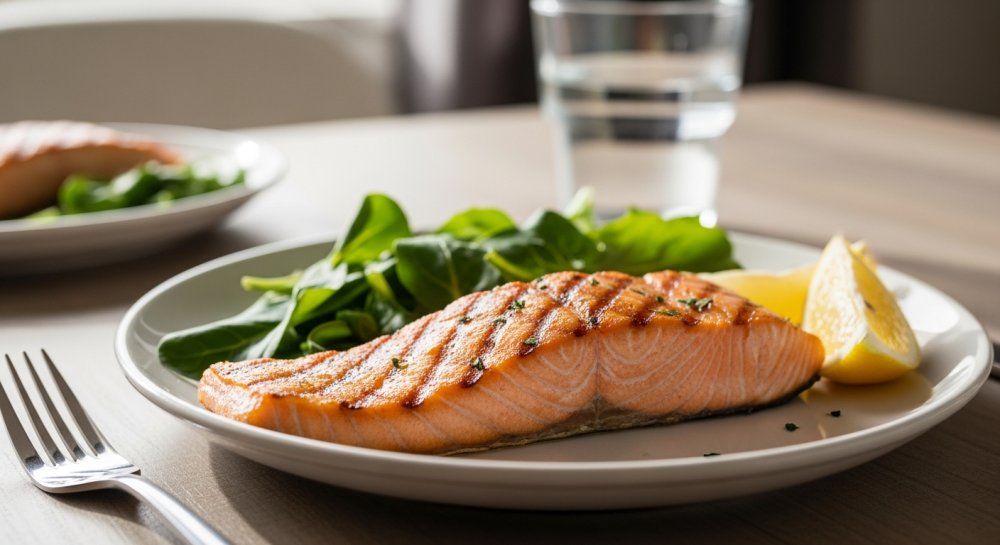
Preparation methods matter significantly. Grilling, baking, or broiling fish preserves its nutritional integrity while avoiding the added fats and calories associated with frying. Simple seasoning with herbs and lemon allows the natural flavors to shine while keeping the meal heart-healthy.
For those concerned about mercury content, selecting smaller fish species can minimize exposure while still providing omega-3 benefits. Sardines and anchovies, while less popular, offer exceptional nutritional value with lower mercury levels than larger predatory fish.
The anti-inflammatory properties of omega-3s extend beyond heart health. These fatty acids support joint comfort, cognitive function, and may help maintain healthy blood pressure levels—all concerns that become increasingly relevant with age.
Sustainability considerations align well with health priorities. Many of the most nutritious fish options, including wild-caught salmon and sardines, come from well-managed fisheries that prioritize environmental stewardship.
For individuals who struggle with fish consumption, omega-3 supplements offer an alternative, though whole food sources provide additional nutrients and benefits that isolated supplements cannot replicate. Consulting with a healthcare provider can help determine the best approach for individual needs.
Meal planning strategies that incorporate midday fish consumption can be simple and satisfying. A grilled salmon salad for lunch or sardines on whole grain crackers provides convenient options that fit into busy schedules while supporting wellness goals.
The connection between diet timing and nutrient absorption represents an emerging area of nutritional science. While eating fish at any time provides benefits, optimizing meal timing may enhance the body’s ability to utilize these protective compounds effectively.
As Americans increasingly seek natural, food-based approaches to health maintenance, understanding how to maximize nutritional benefits through strategic timing empowers individuals to take control of their wellness journey. Small adjustments to daily eating patterns can yield meaningful results over time.
The path to healthy aging includes countless dietary decisions. Choosing nutrient-dense foods like omega-3-rich fish and consuming them at optimal times represents a practical, accessible strategy that supports cardiovascular health and overall vitality well into the later decades of life.
