Health
The Kitchen Staple That Could Save an Infected Cut

Health Points
- Minor infected cuts can often be treated at home with proper cleaning, warm compresses, and over-the-counter antibiotic ointments
- Warning signs requiring immediate medical care include red streaks, fever, pus, or worsening pain after 48 hours of home treatment
- Prevention through proper wound cleaning within the first few hours dramatically reduces infection risk
That small cut from gardening or cooking might seem harmless at first, but when redness and swelling appear days later, many Americans over 40 wonder whether they need to see a doctor or can handle it at home.
The good news: most minor infected cuts respond well to simple home care, according to wound care specialists. The key lies in knowing when to treat and when to seek professional help.
“The first 24 to 48 hours of treatment are critical,” says Dr. Amanda Richardson, a family medicine physician with 20 years of experience treating wound infections. “If you’re seeing improvement in that window, home care is likely sufficient.”
The most effective home treatment starts with gentle cleansing. Wash the infected area with mild soap and lukewarm water twice daily, patting it dry with a clean towel. This simple step removes bacteria and debris that fuel infection.
Warm compresses applied for 10 to 15 minutes, three to four times daily, help draw infection to the surface while improving blood flow to the area. Use a clean washcloth soaked in warm (not hot) water, and replace it with a fresh one for each session.
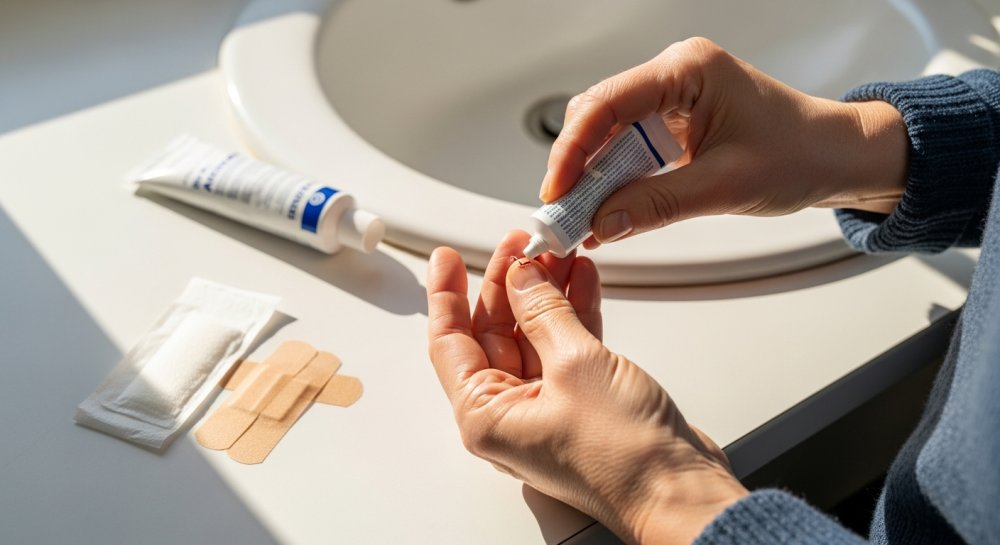
Over-the-counter antibiotic ointments like bacitracin or Neosporin provide an additional layer of protection. Apply a thin layer after cleaning, then cover with a sterile bandage. Change the dressing daily or whenever it becomes wet or dirty.
“Many people make the mistake of leaving wounds uncovered because they think air helps healing,” Richardson notes. “For infected cuts, keeping them covered and moist actually promotes faster recovery and reduces scarring.”
Elevation matters more than most realize. Keeping the infected area raised above heart level when possible reduces swelling and discomfort. This proves especially helpful for infected cuts on hands, fingers, feet, or legs.
However, certain warning signs demand immediate medical attention. Red streaks extending from the wound indicate the infection is spreading through the lymphatic system. Fever, chills, or feeling generally unwell suggest the infection has become systemic.
Increasing pain, warmth, or swelling after 48 hours of home treatment signals the infection isn’t responding to conservative measures. Pus with a foul odor, or any pus that appears green or brown rather than white or yellow, requires professional evaluation.
People with diabetes, compromised immune systems, or poor circulation face higher infection risks and should consult a doctor sooner rather than later. The same applies to cuts on the face, near joints, or deep puncture wounds.
“I always tell patients that if something feels wrong, trust that instinct,” Richardson emphasizes. “It’s better to have a doctor reassure you everything’s fine than to wait until an infection becomes serious.”
Prevention remains the best medicine. Clean all cuts thoroughly within the first few hours, removing visible dirt or debris. Apply antibiotic ointment and cover with a bandage, changing it daily while the wound heals.
Watch for early infection signs: increasing redness beyond the immediate wound area, warmth to the touch, swelling, or throbbing pain. Catching infection early makes home treatment far more effective.
For most healthy adults over 40, minor infected cuts respond well to diligent home care within two to three days. The wound should appear less red, feel less tender, and show signs of healing like new skin forming at the edges.
Keep your tetanus vaccination current, especially if you’re active outdoors or work with your hands. Adults should receive a tetanus booster every 10 years, or after a dirty wound if it’s been more than five years since the last shot.
The bottom line: home treatment works for most minor infections when started early and followed consistently. But when in doubt, a quick call to your doctor can provide peace of mind and prevent complications that could require far more intensive treatment down the road.
