Nutrition
This Ancient Root Could Transform Your Digestive Health

Health Points
- Marshmallow root has been used for centuries as a natural remedy for digestive issues, coughs, and skin irritation
- The herb contains mucilage, a gel-like substance that coats and soothes mucous membranes in the body
- While traditionally popular, limited modern scientific evidence exists to confirm its effectiveness for most uses
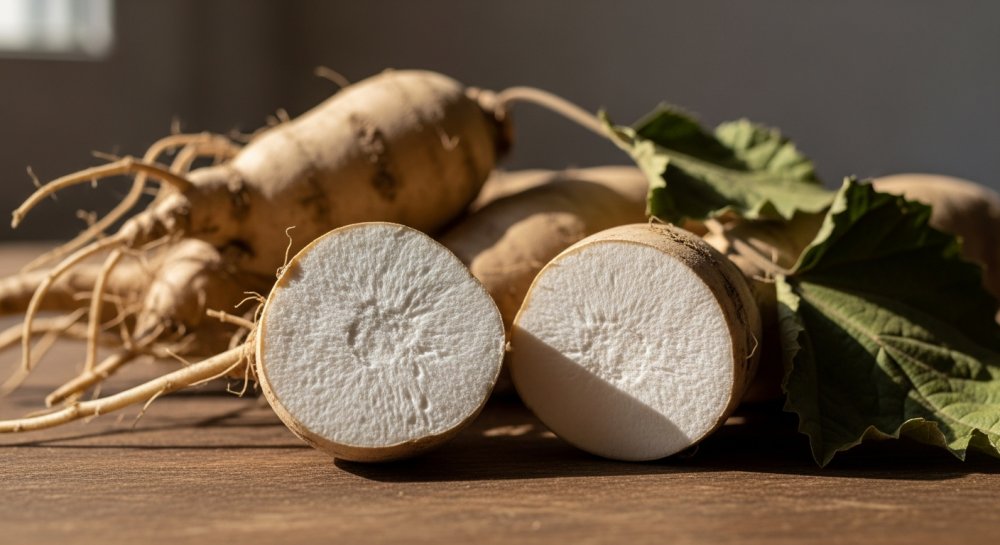
For generations, healers have turned to a humble plant root to soothe everything from upset stomachs to scratchy throats. Marshmallow root, derived from the Althaea officinalis plant, has earned its place in the natural medicine cabinet through centuries of traditional use.
The plant gets its name from its native habitat—marshy areas where it thrives in damp soil. But don’t confuse this medicinal herb with the fluffy white confections roasted over campfires.
The original marshmallow candy was actually made from the root’s sap, though modern versions contain no trace of the plant.
What makes marshmallow root special is its high mucilage content. This thick, gel-like substance forms a protective coating when it comes into contact with mucous membranes.
When consumed or applied topically, it creates a soothing barrier that may help calm irritated tissues. This property has made it a go-to remedy for digestive complaints, respiratory issues, and skin conditions.
Traditional medicine practitioners have long recommended marshmallow root for soothing an irritated digestive tract. The mucilage coats the esophagus and stomach lining, potentially providing relief from heartburn, acid reflux, and gastritis.
Some people with inflammatory bowel conditions have used it to ease discomfort, though consultation with a healthcare provider remains essential for serious digestive disorders.
Respiratory health represents another common application. Marshmallow root has been used to calm coughs and soothe sore throats.
The coating action may help reduce irritation in the throat and airways. During cold and flu season, many people turn to teas and lozenges containing this herb for comfort.
Skin care enthusiasts have also embraced marshmallow root for its potential benefits. Applied topically, it may help with minor skin irritations, burns, and insect bites.
The anti-inflammatory properties some attribute to the plant could explain why it’s been used to calm inflamed or sensitive skin. Some natural beauty products now incorporate marshmallow root extract for its moisturizing qualities.
Despite its long history, scientific research on marshmallow root remains limited. Most evidence supporting its use comes from traditional practice rather than rigorous clinical trials.
While some preliminary studies suggest potential benefits, more research is needed to confirm effectiveness for specific conditions. This doesn’t mean the herb is without merit, but it does mean claims should be approached with appropriate caution.
Marshmallow root is generally considered safe when used appropriately. It’s available in various forms including teas, capsules, tinctures, and topical preparations.
The root can be brewed as a tea by steeping it in hot water, creating a slightly sweet, earthy beverage. Some prefer the cold infusion method, which preserves more of the mucilage content.
As with any supplement, potential interactions exist. Marshmallow root may affect how the body absorbs medications, so timing matters.
Taking it several hours apart from prescription drugs helps avoid interference. People with diabetes should monitor blood sugar levels, as the herb might affect glucose control.
Pregnant and breastfeeding women should consult healthcare providers before using marshmallow root. While traditional use suggests safety, insufficient research exists to confirm this for all populations.
Quality varies significantly among products, making it important to choose reputable brands that test for purity and potency.
For those interested in exploring traditional remedies, marshmallow root offers a time-tested option rooted in herbal wisdom. While it shouldn’t replace medical treatment for serious conditions, it may provide gentle support for minor ailments.
As with all health decisions, consulting with a qualified healthcare professional ensures safe and appropriate use tailored to individual needs and circumstances.
