Health
The Ancient Russian Stone Wellness Enthusiasts Are Adding to Their Homes

Health Points
- Shungite is a rare carbon-based rock found primarily in Russia’s Karelia region, valued in alternative wellness circles for purported protective properties
- Scientific evidence does not currently support health claims associated with shungite, though research continues on its unique molecular structure
- While some use shungite for water purification or EMF concerns, medical experts recommend proven health practices over unverified mineral therapies
A lustrous black stone from Russia has captured attention in wellness communities, with advocates claiming it offers protection from electromagnetic fields and other modern environmental concerns. But what does science actually say about shungite?
This carbon-rich mineral, found almost exclusively in the Karelia region of Russia near Lake Onega, has been used locally for centuries. Its name comes from the village of Shunga, where deposits were first identified.
The stone’s distinctive composition sets it apart from other minerals. Shungite contains fullerenes—hollow, spherical carbon molecules that have intrigued researchers since their discovery in the 1980s.
Traditional wellness practitioners have long attributed various properties to shungite, from water purification to protection against electromagnetic radiation from phones and computers. Some users place shungite stones near electronic devices or wear them as jewelry.
However, mainstream medical science remains skeptical. The purported health benefits lack robust clinical evidence, and no peer-reviewed studies have conclusively demonstrated that shungite can block electromagnetic fields or provide measurable health advantages.
“When evaluating alternative wellness products, it’s important to distinguish between traditional use and scientific validation,” notes Dr. Michael Chen, a physician specializing in integrative medicine. “While shungite has cultural significance and interesting chemical properties, we don’t have the rigorous research needed to make health claims.”
The stone does have some documented practical applications. Russian researchers have explored its potential use in water filtration systems, given its porous structure and adsorptive properties. Some industrial applications have been developed based on these characteristics.
For those concerned about electromagnetic field exposure, the World Health Organization states that current evidence does not confirm health consequences from low-level electromagnetic fields. Standard safety practices—such as using hands-free devices and maintaining distance from routers—remain the recommended approach.
Shungite enthusiasts often cite the stone’s use in historic Russian spas and Peter the Great’s reported belief in its curative waters. While these anecdotes reflect cultural traditions, they don’t constitute scientific proof of efficacy.
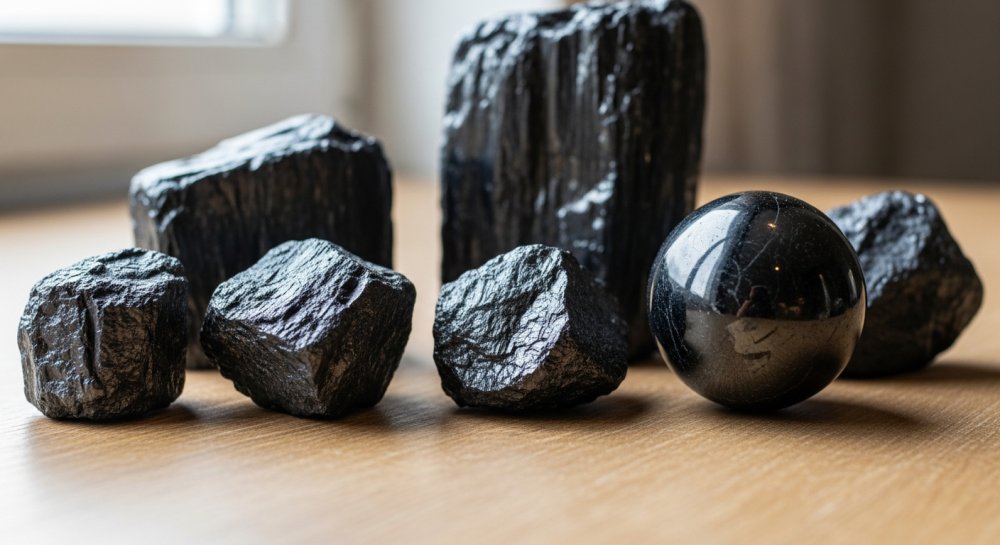
The wellness market has embraced shungite in various forms: polished stones, pyramids, spheres, and jewelry. Prices vary widely depending on the type and quality, with “elite” or “noble” shungite—containing higher carbon content—commanding premium prices.
Quality concerns exist in the marketplace as well. Not all products labeled as shungite are authentic, and the unregulated nature of the wellness supplement industry means consumers should exercise caution when making purchases.
For individuals over 40 considering alternative wellness approaches, medical professionals recommend a balanced perspective. Maintaining proven health practices—regular exercise, a nutritious diet, adequate sleep, and stress management—should remain the foundation of any wellness strategy.
“There’s nothing wrong with appreciating minerals for their aesthetic or cultural value,” Dr. Chen adds. “But when it comes to protecting your health, rely on evidence-based practices that have stood up to scientific scrutiny.”
The fascination with shungite reflects a broader trend of seeking natural solutions to modern health concerns. While scientific research may eventually reveal specific applications for this unique mineral, current evidence doesn’t support most health claims associated with it.
Those interested in shungite can certainly enjoy it as a decorative element or cultural artifact. Just don’t expect it to replace proven health interventions recommended by your physician.
